
Sténose spinale : la décompression vertébrale expliquée
20 novembre 2024
Décompression neurovertébrale : une alternative non chirurgicale pour traiter les hernies discales
21 novembre 2024
IN BRIEF Spinal stenosis is a narrowing of the spinal canal that leads to pressure on the nerves, causing pain and discomfort. Spinal decompression treatment is an effective method to relieve these symptoms by increasing the space within the spinal canal. In Paris, this service is particularly recommended for those suffering from lower back pain or sciatica. This approach is not only non-invasive, but also allows for a quick recovery, providing lasting relief without the need for medication. Through manual and mechanical therapy, patients can regain mobility and quality of life. |
Spinal stenosis is a narrowing of the spinal canal, often caused by degeneration of the spine over time. This results in pressure on the spinal cord and peripheral nerves, leading to varied symptoms such as pain, numbness, and difficulties walking. The primary treatment consists of spinal decompression, a therapy aimed at reducing the pressure on nerve structures by increasing the space in the spinal canal. This can include manual and mechanical approaches, as well as surgical interventions if necessary. The goal of decompression is to improve mobility and relieve pain, making daily life more comfortable for those affected by this condition.
Spinal stenosis is a narrowing of the spinal canal that can lead to considerable pain and discomfort. This phenomenon often occurs due to degenerative changes in the spine. Spinal decompression is a technique used to alleviate this compression on the nerves. In this article, we will explore the causes, symptoms, and treatment options for spinal stenosis, focusing on neurovertebral decompression.
What is spinal stenosis?
Spinal stenosis is characterized by a decrease in space within the spinal canal. This can cause pressure on the spinal cord and nerve roots, resulting in pain. This condition is often related to arthritis, advanced age, or injuries.
Arthrose et traitement de haute technologie à Terrebonne
Dans la région de Terrebonne, caractérisée par une population dynamique et active, l’arthrose de la colonne vertébrale demeure une cause majeure de douleurs et de limitations fonctionnelles. Cette affection dégénérative, qui touche notamment l’arthrose lombaire et cervicale, se manifeste par…
Causes of spinal stenosis
The main causes of spinal stenosis include degeneration of the intervertebral discs, formation of osteophytes (bone spurs), and thickening of ligaments. Some individuals may also inherit a genetic predisposition to having a narrow spinal canal.
Décompression et arthrose : résultats cliniques à Montréal
En bref : Décompression neurovertébrale : une technique non chirurgicale reconnue pour sa sécurité et son efficacité dans la prise en charge de l’arthrose de la colonne vertébrale.L’arthrose lombaire et l’arthrose cervicale provoquent douleurs, raideurs et limitations motrices qui impactent…
Associated symptoms
The symptoms of spinal stenosis vary depending on the severity of the condition. The most common signs include:
- Pain in the lower back
- Difficulties walking or standing for long periods
- Numbness or tingling in the legs or arms
These symptoms tend to worsen over time and can significantly reduce quality of life.
Arthrose et protocole complet en Rive-Nord
Souffrir d’une arthrose de la colonne vertébrale peut rapidement empiéter sur votre qualité de vie, surtout lorsque la douleur articulaire s’installe avec insistance. Sur la Rive-Nord, entre Montréal et Terrebonne, une approche novatrice s’impose face à cette condition chronique :…
Spinal decompression as treatment
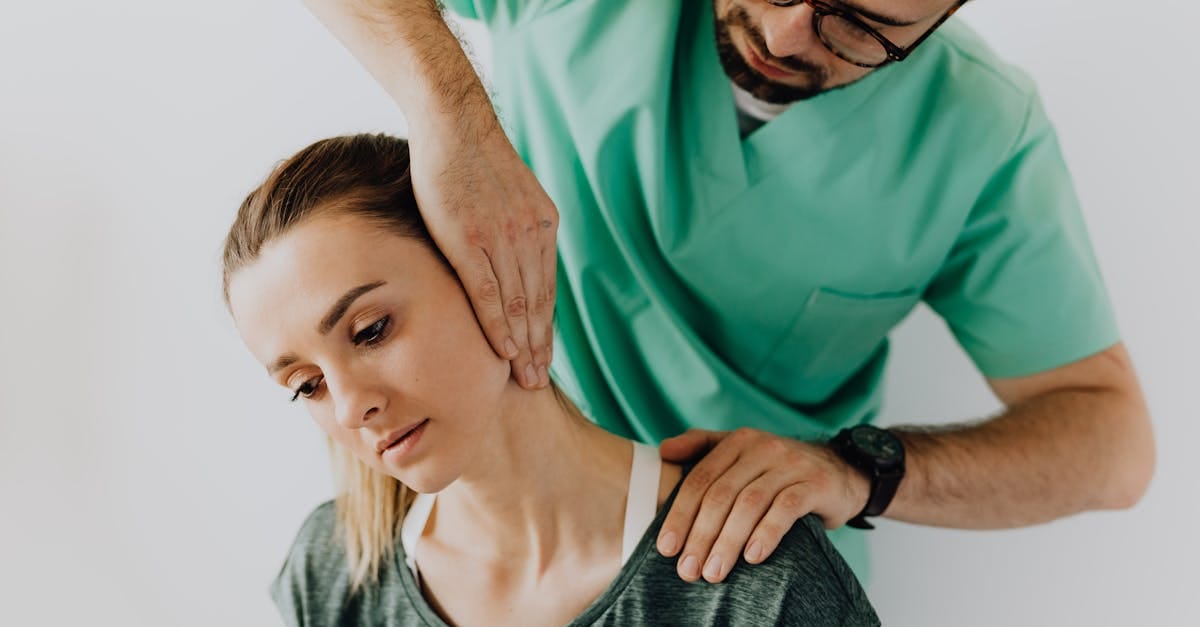
Neurovertebral decompression is an effective therapy aimed at reducing pressure on the nerves and adjacent structures. It is accomplished through manual and mechanical techniques. This approach can improve blood circulation, reduce inflammation, and allow for better recovery of nerve tissues.
Arthrose et soins non chirurgicaux à Terrebonne
Chaque année, un nombre croissant de personnes à Terrebonne et sur la Rive-Nord de Montréal font face aux difficultés engendrées par l’arthrose de la colonne vertébrale. Cette affection chronique, responsable de douleurs persistantes, d’une limitation progressive de la mobilité et…
Final considerations
It is essential to consult a healthcare professional for a precise diagnosis and to explore treatment options for spinal stenosis. Approaches such as neurovertebral decompression can provide significant relief.
To learn more about treatments for spinal stenosis and spinal decompression, you can consult the following resources:
Relieving cervicalgia,
Details on spinal stenosis,
Signs and symptoms,
Relieving brachialgia,
Impact on walking,
Treatments and exercises,
Decompression for sciatica.
Medical disclaimer: The information and advice provided on this site do not replace the opinion, diagnosis, or treatment of a healthcare professional. Please note that Dr. Sylvain Desforges, osteopath, is neither a medical doctor nor a physician, and is not a specialist in a medical specialty as defined by the College of Physicians of Quebec. Manual medicine, functional medicine, and sports medicine as described on this site exclude any medical treatment or diagnosis made by a physician or specialist doctor. Always consult your doctor for any medical questions. For more details, please read our complete Legal Disclaimer.
- Definition: Narrowing of the spinal canal leading to nerve compression.
- Causes: Degeneration of the spine, arthritis.
- Symptoms: Lower back pain, numbness, muscle weakness.
- Impact on activity: Difficulties while walking, increased pain when standing.
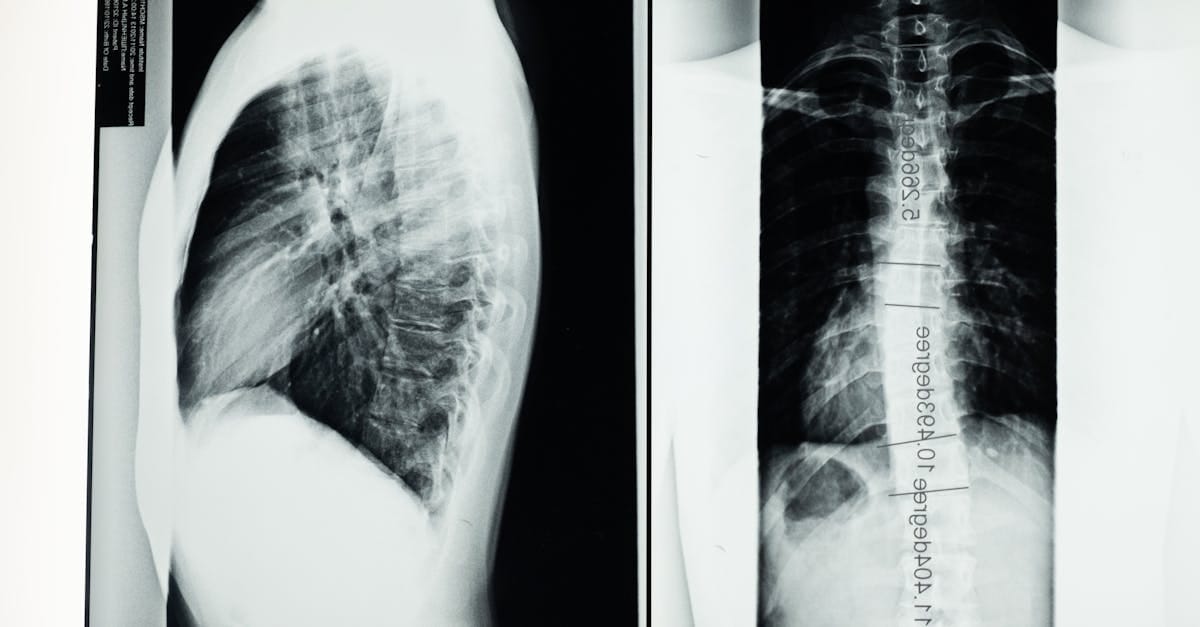
- Diagnosis: Medical imaging (MRI, X-rays).
- Non-surgical treatments: Therapy by neurovertebral decompression, strengthening exercises.
- Injections: Use of steroids to reduce inflammation.
- Surgical options: Lumbar decompression in severe cases.
- Benefits of decompression: Reduction of pressure on the nerves, improvement of comfort.
- Follow-up and rehabilitation: Importance of an adapted exercise program post-treatment.
Arthrose et prise en charge rapide en région métropolitaine
Dans la région métropolitaine, les nombreux patients souffrant d’articulations douloureuses et raides trouvent un soulagement précieux grâce à une prise en charge rapide alliant expertise et technologies avancées. L’arthrose de la colonne vertébrale, notamment lombaire et cervicale, impacte considérablement la…
Introduction to spinal stenosis
Spinal stenosis is a condition characterized by a narrowing of the spinal canal, putting pressure on the spinal cord and nerve roots. This disorder can lead to various symptoms, ranging from back pain to difficulties walking. One of the effective treatments for relieving these symptoms is spinal decompression, which aims to reduce pressure on nerve structures by enlarging the available space in the spinal canal. In this article, we will explore the causes and symptoms of spinal stenosis, as well as therapeutic approaches including spinal decompression.
Décompression vertébrale pour arthrose : clinique reconnue à Montréal
Dans un contexte où les douleurs dorsales chroniques touchent un nombre croissant de personnes à Montréal et Terrebonne, l’arthrose de la colonne vertébrale se révèle être un défi majeur en matière de mobilité et de qualité de vie. Ce trouble…
Causes of spinal stenosis
Spinal stenosis is often caused by degenerative changes in the spine. With age, the spine undergoes modifications due to the wear of intervertebral discs, which can flatten and reduce the space of the spinal canal. Arthritis is also an exacerbating factor, as it can lead to bone spurs (osteophytes) that contribute to this narrowing. Other potential causes of stenosis include congenital malformations, traumatic injuries, and inflammatory diseases.
Chirurgie mini-invasive à Longueuil : intervention rapide et performante
Dans un contexte où la prévalence des douleurs rachidiennes augmente sensiblement au Québec, les patients cherchent des solutions efficaces et accessibles face aux attentes souvent longues et aux coûts élevés des interventions classiques. La chirurgie mini-invasive à Longueuil s’impose comme…
Symptoms of spinal stenosis
The symptoms of spinal stenosis vary from person to person, but they may include:
- Back pain or lumbar pain
- Paresthesias (tingling) in the legs
- Muscle weakness in the lower limbs
- Difficulties walking, especially a feeling of cramping in the legs
- Radiculopathy (radiating pain along the nerves)
These symptoms can worsen when standing or walking and may ease when sitting or bending the body.
Arthrose et soins complémentaires sur la Rive-Nord
L’arthrose de la colonne vertébrale représente un défi de santé majeur pour de nombreuses personnes vivant à Montréal, Terrebonne et sur la Rive-Nord. Cette affection se manifeste par la dégradation progressive du cartilage et l’apparition de douleurs chroniques, souvent associées…
Spinal decompression: a proven solution
Spinal decompression is a therapeutic approach that has proven its effectiveness in treating spinal stenosis. It relies on manual and mechanical techniques aimed at reducing the pressure exerted on the nerves and opening the space of the spinal canal. This method allows restoring blood circulation and accelerating the healing of damaged nerve tissues.
The decompression techniques
The decompression techniques may include treatments such as:
- Gentle stretches targeting the spine
- Spinal manipulations to realign the vertebrae
- Mechanical decompression devices that increase the space between the vertebrae
These approaches can be combined with other treatments, such as steroid injections, to relieve inflammation and pain associated with spinal stenosis.
Recommended exercises
In addition to manual treatments, integrating specific exercises can also play an important role in managing spinal stenosis. Exercises aimed at strengthening the back muscles and improving flexibility can help support the spine. It is advisable to opt for low-impact activities, such as swimming or yoga, which also promote overall well-being.
Understanding spinal stenosis and its treatments can significantly aid in managing this condition. Spinal decompression presents itself as a promising solution to relieve symptoms and improve the quality of life for patients. It is important to consult a healthcare professional for an accurate diagnosis and an appropriate treatment plan.
| Aspects | Description |
| Causes | Degeneration of the spine, arthritis, herniated discs. |
| Symptoms | Pain, numbness, muscle weakness, difficulty walking. |
| Mécanisme | Reduction of space in the spinal canal, leading to nerve compression. |
| Spinal decompression | A technique aimed at increasing the space in the spinal canal to relieve pressure. |
| Benefits | Pain reduction, mobility improvement, better quality of life. |
| Types of treatment | Manual therapy, mechanical therapy, sometimes accompanied by steroid injections. |
| Incidence | Common in older individuals due to wear of the discs and joints. |
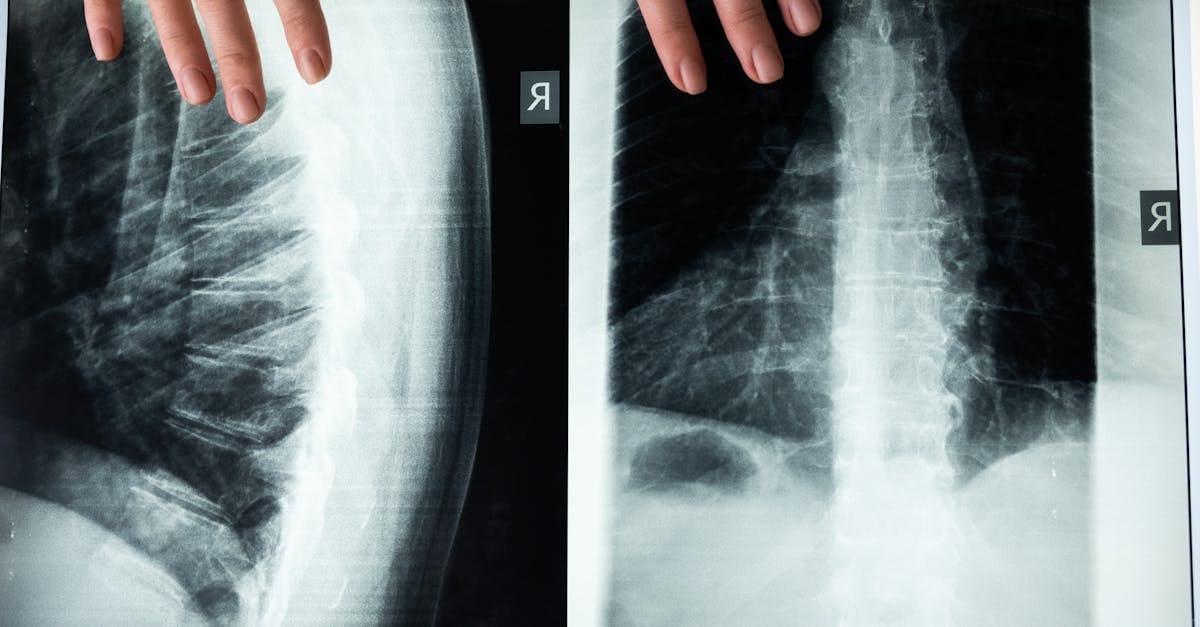
Testimonials on Spinal Stenosis: Spinal Decompression Explained
Spinal stenosis is an increasingly common condition affecting many individuals, primarily due to degenerative arthritis and the natural degeneration of the spine. Patients often report intense pain and discomfort. In this context, spinal decompression appears as a promising solution to relieve these debilitating symptoms.
Many testimonials come from patients who have benefited from neurovertebral decompression. These patients describe a process where pressure on the nerves is reduced, resulting in increased space in the spinal canal. They note a significant improvement in their quality of life, allowing them to resume their daily activities without pain.
Some patients have shared their experiences by talking about their treatment journey. They assert that decompression has not only relieved their pain but also improved their mobility. One patient stated: « I was constantly looking for a comfortable position, but after the decompression, I was able to walk again without pain. »
Another testimony highlights the effectiveness of therapy in treating lumbar spinal stenosis. A former athlete, who suffered from movement restrictions due to nerve compression, explained: « I never thought I would regain such freedom of movement. The decompression changed my life; I can now enjoy my outings without fear. »
Finally, many patients also praise the personalized approach offered by clinicians. They appreciate being informed about the causes of their condition and the different treatment options. As one patient stated: « Every step of the treatment was explained clearly, and I was able to make informed decisions about my health. »
Spinal stenosis is a condition characterized by the narrowing of the spinal canal, the space that houses the spinal cord and nerve roots. This narrowing can lead to pressure on the nerve structures, causing varied symptoms such as pain, numbness, or difficulties walking. Spinal stenosis is often caused by degenerative factors, including arthritis, and primarily affects older individuals. As the spine ages, modifications to its structures can occur, leading to a decrease in the caliber of the spinal canal.
Treatment for spinal stenosis includes several methods, but spinal decompression is one of the most effective options. This therapy’s main goal is to reduce pressure on the nerves and increase the space within the spinal canal to relieve symptoms. Spinal decompression can be performed using manual or mechanical techniques, thus creating an environment conducive to healing.
Neurovertebral decompression is particularly recognized for its effectiveness in treating pain associated with spinal stenosis. Through this technique, the spine is gently stretched, helping to relax the muscles and reduce compression on the nerves. This approach is often used together with other therapeutic modalities such as steroid injections, which aim to reduce inflammation, and physical treatments that strengthen the back muscles to ensure better support of the spinal column.
The symptoms of spinal stenosis can vary from person to person. Some patients may experience lower back pain, numbness, weakness in the legs, or difficulties walking, while others may only feel slight discomfort. Rehabilitation exercises are also an integral part of the treatment plan. They help strengthen muscles and improve flexibility, which is essential for maintaining a healthy spine.
Adopting a holistic approach is essential to optimize the healing process. Patients are encouraged to consider their lifestyle and integrate healthy habits, such as regular exercise, gentle stretching, and proper posture, to reduce the risk of recurrence of spinal stenosis symptoms.
In summary, spinal decompression presents itself as a modern and effective solution for treating spinal stenosis. Its goal is to relieve the pressure exerted on the nerves while improving the quality of life for patients suffering from this condition. With the integration of technological advances and a patient-centered approach, it is possible to optimize the health and well-being of individuals affected by this pathology.
Pulse Align and Spinal Stenosis: An Innovative Approach
Mechanism of action
The Pulse Align technology stands out for its use of gentle impulse vibrations, aimed at stimulating the mechanoreceptors type 2 in the muscles. These receptors play a crucial role in regulating muscle tone and postural balance. By activating these receptors, Pulse Align enables the muscles to return to their natural state, thereby promoting better spinal alignment and reducing pressure on compressed nerves.
Specific advantages
The non-invasive approach of Pulse Align presents several notable advantages for individuals suffering from spinal stenosis. By reducing pain, this method enhances muscle function and mobility, thus allowing patients to regain optimal quality of life. Additionally, the use of this technology contributes to accelerating the recovery process, facilitating blood circulation and the transport of essential nutrients to muscle tissues, which is crucial for healing.
Comparison with other treatments
Compared to other conventional therapies that treat spinal stenosis, such as medication or invasive surgical procedures, Pulse Align is positioned as a safe and effective alternative. Its lack of side effects associated with medications and the non-invasive nature of the procedure make it a preferred choice for those looking to avoid potential complications. The results achieved with this technology generally favor a gentler and better-tolerated treatment approach.
Case studies and testimonials
Several patients who have received care with Pulse Align have reported significant improvements in their symptoms related to spinal stenosis. For instance, one testimonial indicates that a patient experienced a notable reduction in her lower back pain after a few sessions, allowing her to resume her daily activities with ease. These positive results highlight the effectiveness of this technology in helping individuals manage pain and improve their physical condition.
Spinal stenosis is a common condition that primarily results from the narrowing of the spinal canal, causing pressure on the spinal cord and spinal nerves. This compression can lead to various symptoms, including pain, numbness, and difficulties walking. Effective treatments, such as spinal decompression, are essential to relieve the signs and improve the quality of life of patients suffering from this pathology.
Neurovertebral decompression proves to be a promising therapeutic approach to address the harmful effects of spinal stenosis. This manual and mechanical technique aims to relieve the pressure exerted on the nerves, potentially reducing the symptoms associated with the narrowing of the spinal canal. By increasing the available space for the nerve structures, it contributes to better functioning of the central nervous system.
The causes of spinal stenosis, such as degenerative arthritis and congenital malformations, can be exacerbated by lifestyle factors, including aging and injuries. It is crucial to recognize these causes to implement suitable preventive and corrective treatments for the patients. In addition to decompression, specific exercises can also strengthen the muscles and improve mobility, contributing to the effective management of this condition.
The benefits of spinal decompression go beyond mere pain relief. By improving blood circulation and promoting tissue healing, this technique can help restore nerve function and limit the worsening of stenosis. Additionally, it minimizes the need for some patients for more invasive surgical interventions, which are often dreaded.
In conclusion, the management of spinal stenosis, particularly through spinal decompression, represents a path toward well-being and an improvement in daily life for many individuals. A rigorous assessment of symptoms and a consultation with a qualified healthcare professional are recommended to determine the most appropriate treatment for each individual.
FAQ
Décompression neurovertébrale
La décompression vertébrale peut-elle traiter plusieurs niveaux de disques en même temps?
Oui, le traitement peut être ajusté pour cibler plusieurs niveaux de la colonne vertébrale en fonction des besoins du patient.
La décompression vertébrale est-elle adaptée aux personnes âgées?
Oui, elle est sûre et efficace pour les personnes âgées souffrant de douleurs chroniques de la colonne vertébrale.
Comment se déroule une séance typique de décompression neurovertébrale?
La séance commence par un positionnement confortable, suivi d’un étirement doux et progressif de la colonne vertébrale pour réduire la pression sur les disques.
Quels sont les objectifs principaux de la décompression neurovertébrale?
Les objectifs incluent le soulagement de la douleur, l’amélioration de la mobilité et la régénération des disques.
Combien de temps faut-il pour observer des résultats avec la décompression neurovertébrale?
Certains patients constatent une amélioration dès les premières séances, tandis que d’autres nécessitent plusieurs semaines de traitement.
Quels sont les signes indiquant une compression nerveuse nécessitant une décompression?
Une douleur irradiant dans les bras ou les jambes, des engourdissements ou une perte de force peuvent indiquer une compression nerveuse.
La décompression neurovertébrale est-elle douloureuse?
Non, le traitement est généralement confortable et peut même être relaxant.
Quels sont les bienfaits immédiats d’une séance de décompression neurovertébrale?
Un soulagement de la douleur et une sensation de relaxation sont souvent rapportés après une séance.
La décompression discale est-elle efficace pour les bombements discaux?
Oui, elle peut aider à réduire la pression sur les disques bombés, favorisant leur rétraction.
Quels types de douleurs sont soulagées par la décompression discale?
Elle soulage les douleurs lombaires, cervicales et irradiantes causées par des compressions nerveuses ou des disques endommagés.
Quels types de douleurs la décompression discale peut-elle soulager?
Elle peut soulager les douleurs cervicales, lombaires et les douleurs irradiantes.
Quels sont les risques de ne pas traiter une condition nécessitant une décompression discale?
Sans traitement, les conditions peuvent s’aggraver, entraînant des douleurs chroniques ou des complications neurologiques.
La décompression vertébrale est-elle adaptée aux adolescents?
Oui, si elle est recommandée par un professionnel de santé, elle peut être utilisée chez les adolescents.
Combien coûte un traitement complet de décompression neurovertébrale?
Le coût varie selon la clinique et la durée du traitement, mais il reste souvent moins cher qu’une chirurgie.
Combien de temps les effets d’un traitement de décompression vertébrale durent-ils?
Les effets varient, mais une amélioration durable est souvent constatée avec un suivi approprié.
Quels problèmes de dos peuvent être traités par la décompression discale?
Elle peut traiter les hernies discales, les bombements discaux, la sténose spinale et d’autres douleurs chroniques du dos.
Puis-je reprendre mes activités normales après une séance de décompression?
Oui, la plupart des patients peuvent reprendre leurs activités quotidiennes immédiatement après une séance.
La décompression neurovertébrale peut-elle traiter plusieurs niveaux de la colonne?
Oui, elle peut être ajustée pour cibler plusieurs zones en fonction des besoins du patient.
La décompression neurovertébrale peut-elle traiter les douleurs chroniques?
Oui, elle est particulièrement efficace pour les douleurs chroniques causées par des affections vertébrales.
Quels sont les signes indiquant que la décompression neurovertébrale est efficace?
Les signes incluent une réduction de la douleur, une amélioration de la mobilité et une diminution des symptômes neurologiques comme les engourdissements.
Références