

Décompression spinale : solution pour le mal de dos
20 novembre 2024
Sténose spinale : la décompression vertébrale expliquée
20 novembre 2024
IN BRIEF Spinal decompression is an innovative method designed to effectively relieve back pain. By applying traction forces, this non-invasive therapy targets conditions such as herniated discs and lower back pain. Benefits include a reduction in pressure on the nerves, action against sciatica and an improvement in posture, while allowing treatment without surgery. In Paris and Geneva, specialized clinics offer this treatment, providing patients with a quick and effective solution to regain comfort in their daily lives. |
Spinal decompression emerges as an innovative solution to relieve back pain, particularly chronic pain related to herniated discs and other spinal conditions. This non-invasive therapeutic approach uses traction techniques that help reduce pressure on the nerves and promote blood circulation around the spine. By recreating space between the vertebrae, the method contributes to improving posture and reducing muscle spasms. Thanks to specialized devices, such as those used in neurovertebral decompression, this technique offers an effective alternative to surgery and the use of medication, thus providing remarkable relief for those suffering from lumbago and sciatica.
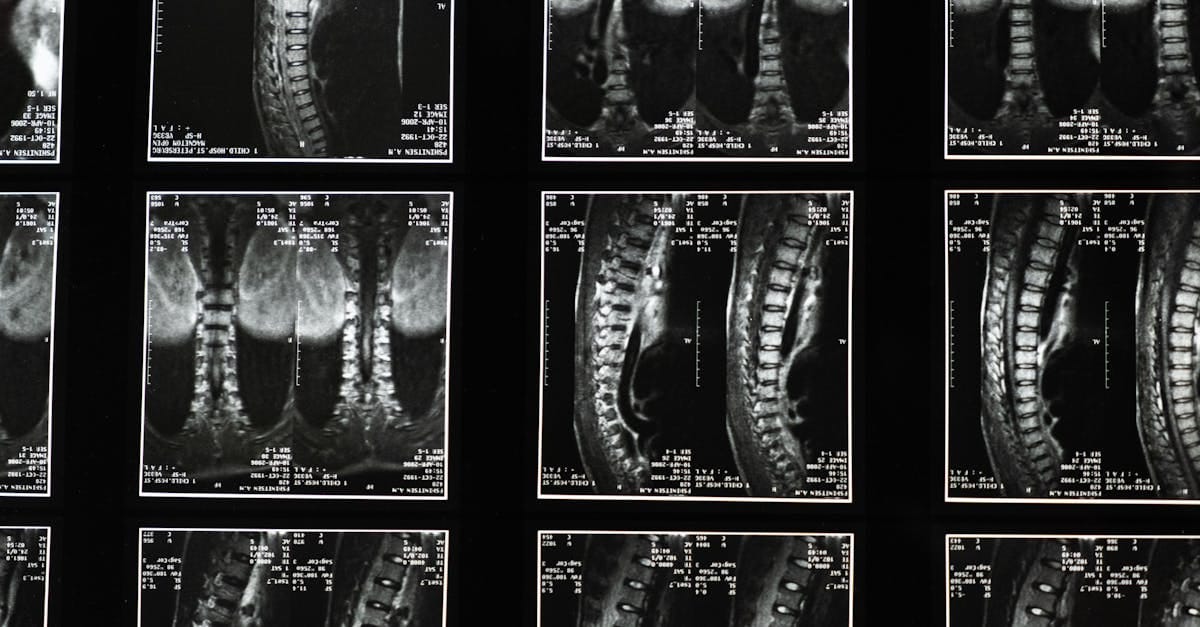
Spinal Decompression: A Modern Approach to Back Pain
Spinal decompression represents an innovative solution for treating various back problems, including lumbago and pain related to conditions such as herniated discs. This non-invasive treatment uses mechanical techniques to relieve pressure on the nerves and improve patients’ quality of life.
What is Spinal Decompression?
Spinal decompression is based on automated methods that apply decompressive forces to the vertebral segments. This therapy aims to create space between the vertebrae, which contributes to reducing pain and improving circulation. It is particularly effective for treating sciatica and lower back pain.
How Does Decompression Therapy Work?
Spinal decompression therapy helps relieve pressure on the nerves by slowly and gently stretching the spine. This technique allows for the restoration of proper positioning, minimizing pain and muscle spasms. Patients often report significant relief after just a few sessions.
Benefits of Spinal Decompression
Among the many benefits of spinal decompression are: a reduction in pressure on the nerves, effective pain relief, and a significant improvement in posture. This innovative method can help prevent surgical interventions by providing a non-invasive alternative.
Neurovertebral Decompression in Paris 6 and Geneva
Specialized centers in Paris 6 and Geneva offer neurovertebral decompression treatments tailored to each patient’s needs. Thanks to this advanced technology, it is now possible to treat herniated discs without resorting to surgery. Neurovertebral decompression has become a preferred option for many patients suffering from chronic pain.
Spinal decompression is a modern solution that helps patients with back pain regain a better quality of life. With a well-structured therapeutic framework, this approach can offer lasting results without the risks associated with surgical treatments.
For more information on spinal decompression, you can check the following links: Relieve Lumbago, Best Method for Decompression.
It is essential to consult a healthcare professional to assess your condition and determine the best treatment suited to your needs.
“Medical Disclaimer: The information and advice provided on this site do not replace the opinion, diagnosis, or treatment of a healthcare professional. Please note that Dr. Sylvain Desforges, osteopath, is neither a medical doctor nor a physician, and is not specialized in a medical specialty as defined by the College of Physicians of Quebec. Manual medicine, functional medicine, and sports medicine as described on this site exclude any medical treatment or diagnosis performed by a physician or specialist. Always consult your doctor for any medical questions. For more details, please read our complete Legal Notice.”
- Non-Invasive Techniques: Use of decompression methods without surgery.
- Relieve Pressure: Reduction of pressure on the nerves and intervertebral discs.
- Mechanical Therapy: Use of automated decompressive forces to mobilize the joints.
- Muscle Rehabilitation: Stretching and relaxing muscles to reduce spasms.
- Postural Improvement: Contributes to restoring a correct and healthy posture.
- Sustainable Solution: Spinal decompression as an alternative to medication treatments.
- Accessibility: Practices available in various specialized clinics.
- Advanced Technology: Use of high-performance machines for optimal results.

Arthrose et traitement de haute technologie à Terrebonne
Dans la région de Terrebonne, caractérisée par une population dynamique et active, l’arthrose de la colonne vertébrale demeure une cause majeure de douleurs et de limitations fonctionnelles. Cette affection dégénérative, qui touche notamment l’arthrose lombaire et cervicale, se manifeste par…
Spinal Decompression: An Effective Solution for Back Pain
Back pain is one of the most common ailments in the modern world, affecting a large part of the population. Spinal decompression presents itself as a non-invasive and innovative solution to relieve this pain by acting directly on the vertebrae and intervertebral discs. Through this therapy, it is possible to reduce pressure on the nerves while improving comfort and mobility for patients. This article explores the benefits of spinal decompression while detailing its functioning and specific applications.
Décompression et arthrose : résultats cliniques à Montréal
En bref : Décompression neurovertébrale : une technique non chirurgicale reconnue pour sa sécurité et son efficacité dans la prise en charge de l’arthrose de la colonne vertébrale.L’arthrose lombaire et l’arthrose cervicale provoquent douleurs, raideurs et limitations motrices qui impactent…
How Spinal Decompression Works
Spinal decompression relies on traction techniques aimed at creating space between the vertebrae. This technique uses automated traction forces to mobilize the joints and relieve tension in the spine. Thanks to specialized equipment, such as the BTL Spinal Decompression, a professional doctor can generate decompressive forces tailored to each patient, thus opening space to promote fluid circulation and the recovery of nerves.
Arthrose et protocole complet en Rive-Nord
Souffrir d’une arthrose de la colonne vertébrale peut rapidement empiéter sur votre qualité de vie, surtout lorsque la douleur articulaire s’installe avec insistance. Sur la Rive-Nord, entre Montréal et Terrebonne, une approche novatrice s’impose face à cette condition chronique :…
The Benefits of Spinal Decompression
One of the main advantages of this method is the reduction of pressure on the nerves, which helps diminish lower back pain, including pain related to sciatica. Additionally, spinal decompression improves posture and reduces muscle spasms, thereby fostering a better quality of life. This gentle approach ensures significant relief without resorting to medication treatments or surgical interventions.
Indications for Spinal Decompression
Spinal decompression is particularly indicated for treating herniated discs, spinal stenosis, chronic lower back and cervical pain. These conditions are often caused by compression of the discs or nerves, resulting in sharp and limiting pain. Thanks to the traction theory, patients can benefit from sustained relief and effective rehabilitation without intimidation or pain associated with surgical interventions.
Arthrose et soins non chirurgicaux à Terrebonne
Chaque année, un nombre croissant de personnes à Terrebonne et sur la Rive-Nord de Montréal font face aux difficultés engendrées par l’arthrose de la colonne vertébrale. Cette affection chronique, responsable de douleurs persistantes, d’une limitation progressive de la mobilité et…
Treatment Approach
Before beginning spinal decompression treatment, an in-depth consultation with a specialist is essential. This allows for an evaluation of the patient’s health status and to determine if this approach is appropriate. A personalized treatment plan will be established, generally including a series of sessions adapted to the needs and progression of the patient.
Arthrose et prise en charge rapide en région métropolitaine
Dans la région métropolitaine, les nombreux patients souffrant d’articulations douloureuses et raides trouvent un soulagement précieux grâce à une prise en charge rapide alliant expertise et technologies avancées. L’arthrose de la colonne vertébrale, notamment lombaire et cervicale, impacte considérablement la…
Conclusion on the Effectiveness of Spinal Decompression
It is important to emphasize that spinal decompression is a modern therapeutic approach that has proven effective for many patients suffering from back pain. The results are often visible quickly, with significant relief of symptoms. Furthermore, this therapy promotes a return to daily activities by improving physical function and overall mobility.
Décompression vertébrale pour arthrose : clinique reconnue à Montréal
Dans un contexte où les douleurs dorsales chroniques touchent un nombre croissant de personnes à Montréal et Terrebonne, l’arthrose de la colonne vertébrale se révèle être un défi majeur en matière de mobilité et de qualité de vie. Ce trouble…
Comparison of Spinal Decompression Methods
| Method | Advantages |
| Responsibility Decompression | Advanced technology enabling effective relief of pressure on the nerves |
| Manual Traction | Creates space between the vertebrae and improves circulation |
| Spinal Decompression Therapy | Non-invasive, relieves chronic pain without surgical intervention |
| Automated Decompression Device | Reduces muscle spasms and improves posture |
| Neurovertebral Decompression | Specifically effective for herniated discs and back pain |
| Solar Decompression | Modern solution for osteoarthritis and associated pains |
| Electromagnetic Therapy | Helps relieve muscle tension and promote tissue regeneration |
Chirurgie mini-invasive à Longueuil : intervention rapide et performante
Dans un contexte où la prévalence des douleurs rachidiennes augmente sensiblement au Québec, les patients cherchent des solutions efficaces et accessibles face aux attentes souvent longues et aux coûts élevés des interventions classiques. La chirurgie mini-invasive à Longueuil s’impose comme…
Testimonials on Spinal Decompression: Solution for Back Pain
For years, I suffered from recurrent lower back pain that affected my quality of life. After trying various treatments unsuccessfully, I discovered spinal decompression. This innovative method proved to be a real revelation. The sessions allow me to regain freedom of movement and notice a significant reduction in pain. Each session leaves me with a feeling of lightness in my back, as if a weight has been lifted.
As an active person, the back pain had become a daily handicap. I dreaded even the simplest tasks, and my productivity suffered. Thanks to neurovertebral decompression, I experienced quick relief. The technique effectively targeted my pain and allowed me to return to my usual activities without fear of new episodes. This therapy is not only effective but also comfortable, making the sessions enjoyable.
I suffered from sciatica for several months, making my days painful. After hearing about the benefits of spinal decompression, I decided to try it. The impact was immediate and spectacular. Within weeks, my pain significantly decreased. I even noticed an improvement in my posture, which boosted my confidence. This non-invasive solution deserves to be known and shared.
At the age of 55, I felt like nothing would work for my chronic back pain. I was skeptical about trying vertebral decompression, but the results changed my perspective. The sessions allowed me to reduce my dependence on medication and improve my quality of life. I feel revitalized and able to enjoy my hobbies again without the constant pain that previously bothered me.
After suffering from a herniated disc, I was anxious about opting for surgery. Spinal decompression offered me a reassuring alternative. This gentle approach relieved the pressure on my nerves without having to consider surgery. The results exceeded my expectations: I can now lead a normal life without persistent pain. I highly recommend this therapy to anyone experiencing similar pain.
Back pain is a common health issue affecting a large part of the population, yet few treatments provide lasting relief. Spinal decompression emerges as an innovative and effective solution for treating various spinal disorders, including herniated discs, lower back pain, and sciatica. The principles of this therapy rely on advanced techniques aimed at reducing the pressure exerted on the spinal structures, thereby facilitating a gradual recovery of back health.
The spinal decompression is a non-invasive method that uses controlled decompressive forces. This involves mobilizing the vertebral joints and gentle traction that creates space between the vertebrae. This technique enhances blood circulation and fluid circulation in the area of the intervertebral discs. This promotes healing of damaged tissues and helps decrease inflammation associated with lower back pain.
The benefits of spinal decompression particularly include a reduction of pressure on the nerves, which is crucial for those experiencing radiating pain. The release of this pressure can lead to quick relief from symptoms and improve patients’ quality of life. Additionally, this method is particularly effective in treating conditions such as sciatica, characterized by pain radiating along the sciatic nerve. Nerve decompression reaches an area often neglected by other medical treatments, providing an alternative for those seeking to avoid medication or surgical interventions.
Dr. Sylvain Desforges, an expert in osteopathy, naturopathy, and manual medicine, has been a pioneer in integrating spinal decompression into his clinical practice. As the founding president of TAGMED clinics and the ACMA association, he is dedicated to innovation in healthcare. His career focuses on the management of chronic pain and the utilization of advanced technologies such as spinal decompression, laser therapy, and shockwave therapy.
The mission of Dr. Desforges is to provide evidence-based care to optimize the health and well-being of his patients. By combining various therapeutic approaches, he aims to offer tailored solutions adapted to individual needs. Patients benefiting from spinal decompression at his clinics are often impressed by the results achieved, enabling them to regain optimal mobility without resorting to invasive treatments.
Spinal decompression has proven to be an essential option in the toolbox for treating back pain. Seeking to inform and improve clinical outcomes, Dr. Desforges and his team at TAGMED work to evolve care standards while remaining at the forefront of therapeutic advancements. In a world where chronic pain is on the rise, spinal decompression appears as a tangible hope for millions seeking relief.
Arthrose et soins complémentaires sur la Rive-Nord
L’arthrose de la colonne vertébrale représente un défi de santé majeur pour de nombreuses personnes vivant à Montréal, Terrebonne et sur la Rive-Nord. Cette affection se manifeste par la dégradation progressive du cartilage et l’apparition de douleurs chroniques, souvent associées…
Pulse Align: An Innovative Solution for Back Pain
Mechanism of Action
The Pulse Align technology is based on a unique mechanism of action, utilizing gentle impulse vibrations to stimulate type 2 mechanoreceptors present in muscle tissues. These receptors play a crucial role in the perception of pressure and movement. By activating these receptors, Pulse Align helps promote the return of muscles to their natural state of balance and tone, meaning the muscles can relax and regain their optimal functionality. This differentiated method reduces muscle tension and improves blood circulation, thereby contributing to effective relief from back pain.
Specific Advantages
The non-invasive approach of Pulse Align presents several significant advantages for individuals suffering from back pain. First, it can significantly reduce the pain felt by decreasing muscle tension and improving blood circulation. Additionally, this technology allows for improvement of muscle function and mobility, which is crucial for individuals looking to resume daily activities without discomfort. Finally, the therapy can accelerate recovery, thanks to better tissue regeneration and a reduction in downtime, which is essential for a quick return to normality.
Comparison with Other Treatments
When comparing Pulse Align with other treatments commonly used for back pain, such as anti-inflammatory medications or surgical procedures, it becomes clear that this technology has unique advantages. Unlike these methods, Pulse Align does not involve the use of medications and thus avoids the unwanted side effects often associated with their consumption. Moreover, the absence of invasive procedures eliminates the risks associated with surgery while providing effective and painless treatment. This makes it an especially attractive alternative for those seeking non-invasive solutions for their chronic pain.
Case Studies or Testimonials
Several patients who have used Pulse Align to treat their back pain have reported significant positive results. For instance, one patient noted a 70% reduction in pain after several sessions, highlighting that he could now walk without discomfort. Another testimonial mentions improved flexibility and a restored ability to engage in activities he had abandoned due to pain. These cases illustrate Pulse Align’s ability to transform the daily lives of individuals suffering from back pain.
Spinal decompression is an innovative treatment method that provides real relief for people suffering from back pain. Thanks to advanced and non-invasive techniques, it stands as an effective alternative to surgery and medication treatments, offering significant improvement in patients’ quality of life. Whether to treat conditions such as herniated discs, sciatica, or chronic lower back pain, this therapy addresses many challenges related to spinal health.
The technology of neurovertebral decompression works by exerting traction forces on the spine, which increases the space between the vertebrae. This technique promotes blood circulation, reduces pressure on the nerves, and helps relax tense muscles, relieving spasms and discomfort. Patients often report rapid results, making this solution both practical and effective.
Furthermore, spinal decompression is not limited to treating existing problems. It can also improve posture and prevent the onset of new musculoskeletal disorders. By regularly integrating this therapy into a care program, patients can hope to maintain optimal spinal health in the long term.
Finally, the cost of decompression therapy is generally competitive compared to traditional surgical interventions, making it accessible to a larger number of people suffering from lower back pain or other back pain conditions. With facilities in Paris and Geneva offering this type of treatment, it is now possible to consult experts to benefit from the latest advances in spinal care.
FAQ
Décompression neurovertébrale
Quels sont les résultats à long terme de la décompression vertébrale?
Les résultats incluent une réduction durable de la douleur et une amélioration de la mobilité de la colonne vertébrale.
La décompression vertébrale peut-elle améliorer la posture?
Oui, en rétablissant l’alignement de la colonne, elle contribue à une meilleure posture.
Quels examens sont nécessaires avant de commencer un traitement de décompression?
Un examen clinique approfondi et des imageries comme une IRM ou une radiographie sont souvent nécessaires.
La décompression discale est-elle adaptée aux personnes ayant des implants dans la colonne?
Cela dépend des implants; une évaluation par un professionnel de santé est nécessaire pour déterminer l’adaptabilité.
Quels sont les symptômes qui nécessitent une consultation pour la décompression neurovertébrale?
Des douleurs persistantes, des engourdissements, des picotements ou une perte de mobilité sont des symptômes qui justifient une consultation.
Quels examens permettent de déterminer l’éligibilité à la décompression?
Une consultation clinique et des examens d’imagerie comme l’IRM sont nécessaires pour déterminer l’éligibilité.
La décompression neurovertébrale peut-elle traiter les douleurs chroniques?
Oui, elle est particulièrement efficace pour les douleurs chroniques causées par des affections vertébrales.
Quels types de douleurs la décompression discale peut-elle soulager?
Elle peut soulager les douleurs cervicales, lombaires et les douleurs irradiantes.
Qu’est-ce que la décompression neurovertébrale?
La décompression neurovertébrale est une thérapie non chirurgicale visant à réduire la pression sur les disques intervertébraux et les nerfs pour soulager la douleur.Quels sont les bienfaits pour les sportifs utilisant la décompression neurovertébrale?
Elle aide à réduire la douleur et à accélérer la récupération après une blessure liée à la colonne.
Comment se déroule une séance typique de décompression neurovertébrale?
La séance commence par un positionnement confortable, suivi d’un étirement doux et progressif de la colonne vertébrale pour réduire la pression sur les disques.
La décompression neurovertébrale peut-elle traiter plusieurs niveaux de la colonne?
Oui, elle peut être ajustée pour cibler plusieurs zones en fonction des besoins du patient.
Quels sont les risques de la décompression neurovertébrale?
Les risques sont faibles, mais certains patients peuvent ressentir une légère raideur temporaire après les séances.
La décompression vertébrale peut-elle améliorer la qualité de vie?
Oui, en soulageant la douleur chronique, elle permet aux patients de retrouver une meilleure qualité de vie et des activités normales.
Puis-je pratiquer des activités sportives pendant le traitement?
Oui, mais il est important de consulter un professionnel pour adapter les activités selon votre condition.
Quels problèmes de dos peuvent être traités par la décompression discale?
Elle peut traiter les hernies discales, les bombements discaux, la sténose spinale et d’autres douleurs chroniques du dos.
La décompression vertébrale peut-elle prévenir d’autres problèmes de dos?
Oui, elle peut réduire la pression sur la colonne et prévenir les blessures futures.
La décompression discale peut-elle traiter les douleurs irradiantes?
Oui, elle est efficace pour réduire les douleurs irradiantes causées par des compressions nerveuses.
La décompression neurovertébrale peut-elle aider après une chirurgie de la colonne?
Oui, elle peut être utilisée pour améliorer les résultats post-chirurgicaux, sous supervision médicale.
La décompression neurovertébrale peut-elle prévenir une intervention chirurgicale?
Oui, elle est souvent utilisée comme alternative non chirurgicale pour traiter les affections de la colonne.
Références