
Décompression spinale : espoir pour la brachialgie
20 novembre 2024
Décompression vertébrale : solution moderne pour hernie discale
20 novembre 2024
IN BRIEF Spinal decompression is a non-invasive therapeutic method aimed at treating pains such as Brachialgia. Through controlled traction techniques, it relieves pressure on the vertebrae, thereby promoting the healing of nerves and intervertebral discs. In Paris, this service is particularly recommended for individuals suffering from chronic pain, as it offers significant relief of symptoms without the need for surgical intervention. In parallel, this approach improves patients’ mobility and quality of life, while being painless and quick to implement. |
Spinal decompression emerges as a promising solution for treating brachialgia, a pain affecting the arms often resulting from spinal problems. This non-surgical method uses controlled traction techniques to relieve pressure on the nerves and discs. Patients suffering from herniated discs or disc pinching have reported a significant reduction in their pain. By widening the space between the vertebrae, neuro-vertebral decompression also improves blood circulation, thereby promoting better healing. The positive results reported by many patients increase the appeal of this therapy as an effective alternative to more invasive treatments.
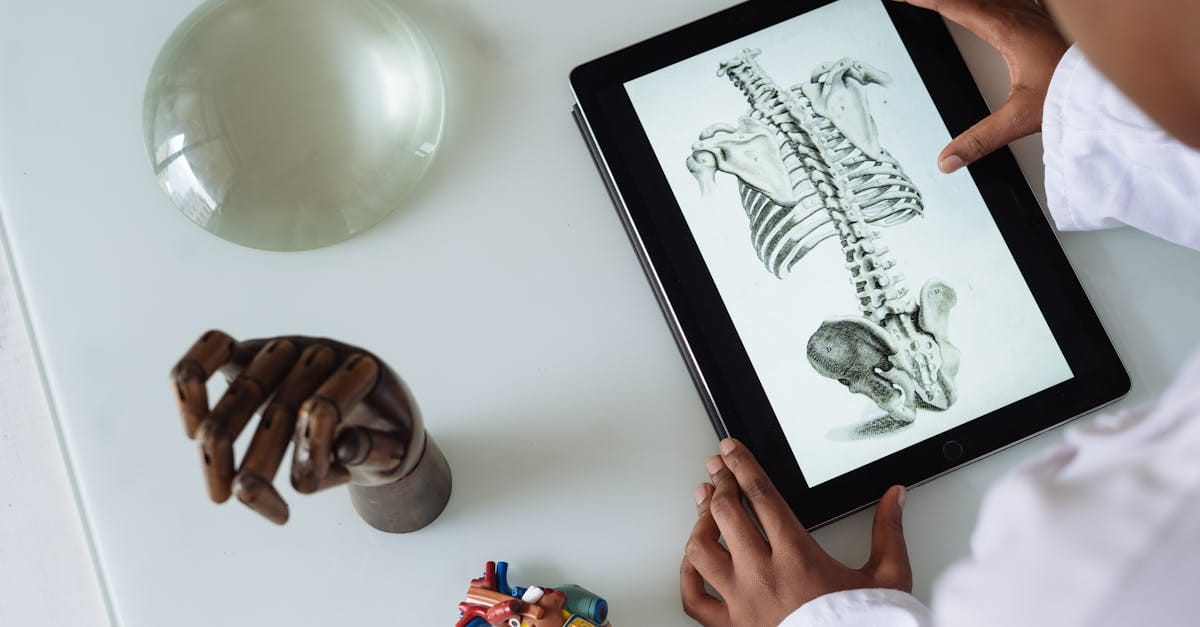
Spinal decompression is an innovative therapy that offers new hope for individuals suffering from brachialgia. This non-invasive treatment targets pain felt in the arm, often caused by issues with the cervical vertebrae. Through precise techniques, neuro-vertebral decompression helps reduce pain, while promoting the healing of nerves and surrounding tissues.
What is brachialgia?
Brachialgia refers to pain that radiates from the neck to the arm. It often occurs due to herniated discs, narrowing in the nerve foramens, or problems at the level of the vertebrae. These conditions can lead to nerve compression, resulting in pain, numbness, and muscle weakness. Brachialgia can significantly disrupt quality of life, making daily activities challenging.
Arthrose et traitement de haute technologie à Terrebonne
Dans la région de Terrebonne, caractérisée par une population dynamique et active, l’arthrose de la colonne vertébrale demeure une cause majeure de douleurs et de limitations fonctionnelles. Cette affection dégénérative, qui touche notamment l’arthrose lombaire et cervicale, se manifeste par…
How does spinal decompression work?
Spinal decompression uses biomechanical principles to relieve pressure on the nerves and intervertebral discs. This method involves gentle, controlled traction that helps widen the space between the vertebrae. By relieving tension on the spine, it promotes better blood circulation and creates an environment conducive to tissue healing. This can lead to a reduction in symptoms associated with brachialgia.
Décompression et arthrose : résultats cliniques à Montréal
En bref : Décompression neurovertébrale : une technique non chirurgicale reconnue pour sa sécurité et son efficacité dans la prise en charge de l’arthrose de la colonne vertébrale.L’arthrose lombaire et l’arthrose cervicale provoquent douleurs, raideurs et limitations motrices qui impactent…
The benefits of neuro-vertebral decompression
Numerous studies have shown that up to 70-80% of patients who have undergone neuro-vertebral decompression reported a significant reduction in their pain. Thanks to this method, patients can regain a degree of freedom in their movements and improve their quality of life. Moreover, compared to other more invasive treatments, neuro-vertebral decompression is generally well tolerated, with no surgical interventions needed.
Arthrose et protocole complet en Rive-Nord
Souffrir d’une arthrose de la colonne vertébrale peut rapidement empiéter sur votre qualité de vie, surtout lorsque la douleur articulaire s’installe avec insistance. Sur la Rive-Nord, entre Montréal et Terrebonne, une approche novatrice s’impose face à cette condition chronique :…
Who can benefit from this therapy?
Individuals suffering from chronic arm pain, numbness, or muscle weakness caused by neck issues are ideal candidates for neuro-vertebral decompression. This technique is particularly effective for those seeking a natural and non-invasive solution for their pain. It represents a relevant alternative to more invasive treatments, especially for those who fear surgical interventions.
Spinal decompression presents itself as a promising solution for treating brachialgia. By providing effective relief and promoting healing, this technique can transform the lives of those affected by this type of pain. It is essential to consult a professional to better understand how this therapy works and if it is suitable for your situation.
Medical disclaimer: The information and advice provided on this site does not replace the opinion, diagnosis, or treatment of a healthcare professional. Please note that Dr. Sylvain Desforges, osteopath, is neither a doctor nor a physician, and is not a specialist in any medical specialty as defined by the College of Physicians of Quebec. Manual medicine, functional medicine, and sports medicine as described on this site exclude any medical treatment or diagnosis made by a physician or medical specialist. Always consult your doctor for any medical questions. For more details, please read our complete Legal Notice.
- Definition: Non-invasive technique aimed at relieving pain associated with brachialgia.
- Symptoms: Radiating pain in the arm, numbness, and muscle weakness.
- Indications: Candidates suffering from chronic pain due to cervical herniated discs.
- Principle: Use of traction forces to widen the space between the vertebrae and reduce compression.
- Effectiveness: About 70-80% of patients experience a significant reduction in pain.
- Advantages: Gentle method that does not require surgery, ideal for patients resistant to conventional treatments.
- Follow-up: Need for regular evaluation to adjust treatment based on progression.
- Duration: Several sessions may be needed for optimal results.

Spinal decompression represents an innovative method for treating brachialgia, an often unbearable pain affecting the arm and caused by cervical issues such as herniated discs. This non-invasive therapy, which uses controlled traction forces, provides a natural and effective solution for relieving pain and improving the quality of life for patients. This article explores the benefits of spinal decompression and why it represents hope for those suffering from brachialgia.
Arthrose et soins non chirurgicaux à Terrebonne
Chaque année, un nombre croissant de personnes à Terrebonne et sur la Rive-Nord de Montréal font face aux difficultés engendrées par l’arthrose de la colonne vertébrale. Cette affection chronique, responsable de douleurs persistantes, d’une limitation progressive de la mobilité et…
Understanding Brachialgia
Brachialgia manifests as pain radiating from the neck to the arm, often caused by vertebral imbalances. This condition is often related to herniated discs that put pressure on the cervical nerves. Symptoms can range from mild pain to intense tingling sensations, potentially leading to an inability to perform certain daily tasks. Understanding the causes of brachialgia is crucial for choosing the most appropriate treatment.
Arthrose et prise en charge rapide en région métropolitaine
Dans la région métropolitaine, les nombreux patients souffrant d’articulations douloureuses et raides trouvent un soulagement précieux grâce à une prise en charge rapide alliant expertise et technologies avancées. L’arthrose de la colonne vertébrale, notamment lombaire et cervicale, impacte considérablement la…
The Advantages of Spinal Decompression
Spinal decompression offers several benefits for those suffering from brachialgia. First, this approach is non-surgical, which helps avoid the risks associated with invasive surgery. Additionally, it has shown the ability to facilitate pain reduction and improve nerve function, thus alleviating patients’ suffering. A study has shown that approximately 70 to 80% of patients treated with spinal decompression report a significant decrease in their pain.
Décompression vertébrale pour arthrose : clinique reconnue à Montréal
Dans un contexte où les douleurs dorsales chroniques touchent un nombre croissant de personnes à Montréal et Terrebonne, l’arthrose de la colonne vertébrale se révèle être un défi majeur en matière de mobilité et de qualité de vie. Ce trouble…
How Does Spinal Decompression Work?
The spinal decompression technique is based on physical and biomechanical principles aimed at widening the space between the vertebrae. This action reduces the pressure on the intervertebral discs, facilitating their regeneration and thereby reducing compression on the nerves. By using special traction tables, the practitioner can adjust the forces applied, which creates a beneficial traction effect on the spine.
Chirurgie mini-invasive à Longueuil : intervention rapide et performante
Dans un contexte où la prévalence des douleurs rachidiennes augmente sensiblement au Québec, les patients cherchent des solutions efficaces et accessibles face aux attentes souvent longues et aux coûts élevés des interventions classiques. La chirurgie mini-invasive à Longueuil s’impose comme…
Who Can Benefit from Spinal Decompression?
Spinal decompression is particularly recommended for patients suffering from chronic pain, particularly those affected by herniated discs, facet syndromes, or any other cervical condition responsible for brachialgia. This treatment is ideal for individuals looking to avoid surgical intervention but who still wish to regain an acceptable quality of life.
Arthrose et soins complémentaires sur la Rive-Nord
L’arthrose de la colonne vertébrale représente un défi de santé majeur pour de nombreuses personnes vivant à Montréal, Terrebonne et sur la Rive-Nord. Cette affection se manifeste par la dégradation progressive du cartilage et l’apparition de douleurs chroniques, souvent associées…
Spinal Decompression: A Real Solution
Spinal decompression represents a therapeutic solution promising for patients suffering from brachialgia. Due to its non-invasive nature and proven effectiveness, it offers a serious alternative to medication treatments, which are often insufficient and accompanied by side effects. Patients’ testimonials regarding their regained quality of life thanks to this method testify to its potential.
What Patients Can Expect
During spinal decompression treatment, patients can expect personalized support and follow-up throughout their healing process. It is important to note that results vary from person to person, but many of them notice a significant improvement in their symptoms after a few sessions. This treatment, by relieving pain and allowing better mobility, gives hope to many individuals suffering from brachialgia.
| Aspect | Description |
| Objective | Reduce pressure on the nerves and relieve pain |
| Technique | Non-invasive method using traction forces |
| Results | 70-80% of patients report significant improvement |
| Indications | Ideal for chronic pain related to brachialgia |
| Session Duration | On average 30 to 60 minutes per session |
| Number of Sessions | Varies from 6 to 20 depending on symptom severity |
| Side Effects | Rarely, mild discomfort may occur |
| Cost | Generally lower than surgical interventions |
Testimonials on Spinal Decompression: Hope for Brachialgia
Spinal decompression is establishing itself as a real therapeutic revolution for those suffering from brachialgia. Many patients report significant improvement in their condition thanks to this non-invasive technique. Faced with the persistent pain that accompanied them, many had no choice but to consider surgical solutions. However, spinal decompression has been a beneficial alternative for many.
For instance, Sophie, 45, testifies to her transformation after several sessions of neuro-vertebral decompression. “I had stabbing pains in my arm that prevented me from working. After a few sessions, I felt incredible relief. It’s like this pressure literally evaporated,” she enthusiastically states.
On his part, Michel, a former athlete, shares his experience: “After years of pain due to a herniated disc, I was desperate. I tried so many treatments, but nothing worked like spinal decompression. I’ve regained a certain quality of life; I can move again without suffering!”
The therapy also seems beneficial for those who had little hope of regaining good health. Anna, 38, shares: “I thought pain would be my companion forever. But after the treatment, I’m amazed to find that I can now carry my child without discomfort. It’s a true relief.”
Finally, Pierre, a professional in career transition, confirms the effectiveness of this method: “The practitioners explained the process to me; I was skeptical at first. But after a few sessions, I noticed a significant decrease in my pain. I’m glad I tried spinal decompression. It’s real hope for anyone suffering from arm pain!”
Spinal decompression has become a promising method in managing pain related to brachialgia, a condition affecting many people in their daily lives. The treatment through vertebral decompression aims to relieve the pressure exerted on nerves and intervertebral discs, thus promoting the healing of the spine. By restoring the space between the vertebrae, this technique reduces pain and improves the quality of life for patients suffering from chronic pain.
One of the pioneers in this field is Dr. Sylvain Desforges, a recognized expert in osteopathy, naturopathy, and manual medicine. As the founding president of TAGMED clinics and the ACMA association, he has dedicated his career to innovation in the health sector. His passion for improving patients’ well-being has led him to specialize in managing chronic pain by integrating advanced technologies such as vertebral decompression, laser therapy, and shock wave therapy.
Spinal decompression is particularly effective for treating pain related to brachialgia, which can often be caused by herniated discs or nerve compressions in the cervical region. By widening the space between the vertebrae using controlled traction forces, this therapeutic method allows for the release of compressed nerves, resulting in a significant reduction in pain and an improvement in mobility. The results indicate a reduction in pain for approximately 70-80% of treated patients.
The treatments offered by Dr. Desforges are based on a data-driven approach. He emphasizes personalized follow-up to meet the specific needs of each patient. Additionally, he works to educate his patients on the benefits of spinal decompression and healthy lifestyles that promote healing. By introducing preventive practices, he helps individuals adopt habits that decrease the risks of pain recurrence.
At TAGMED clinics, the use of advanced technologies like laser therapy and shock wave therapy enriches treatment protocols. These complementary treatments directly target affected tissues, thereby promoting healing and enhancing the effectiveness of spinal decompression. Dr. Desforges thus provides his patients with a holistic and innovative approach to optimizing their health.
In summary, spinal decompression presents itself as a non-invasive and promising alternative for the treatment of pain related to brachialgia. Thanks to experts like Dr. Sylvain Desforges, patients benefit from a modern and personalized approach, showcasing a real advancement in the field of pain management. His method, based on scientific evidence, opens new perspectives for those suffering from chronic pain and aims to significantly improve their quality of life.
The Pulse Align neuromodulation technology and its impact on brachialgia
Mechanism of action
The Pulse Align technology stands out for its innovative use of gentle impulse vibrations to target type 2 mechanoreceptors present in the muscles and connective tissues. By stimulating these receptors, Pulse Align promotes a return of the muscles to their natural state of balance and tone. This mechanism not only helps alleviate pain associated with conditions like brachialgia but also restores a more harmonious muscle function, essential for overall well-being.
Specific advantages
As a non-invasive approach, Pulse Align presents several notable advantages for individuals suffering from brachialgia. Firstly, this technology helps to reduce pain felt, thus allowing patients to regain a better quality of life. Furthermore, the improvement of muscle function and mobility is quickly noticeable, as muscles regain their flexibility and original strength. Finally, Pulse Align also helps to accelerate recovery after a painful episode, thereby minimizing the impact of symptoms on daily activities.
Comparison with other treatments
Compared to other therapies commonly used to treat brachialgia, such as anti-inflammatory medications or epidural injections, Pulse Align offers unique advantages. Firstly, its non-invasive nature eliminates the risks associated with surgical procedures or the use of medications, which can lead to undesirable side effects. Moreover, Pulse Align’s ability to treat pain holistically without the need for chemical treatments makes it an appealing option for patients looking to avoid medication dependencies while benefiting from symptom improvement.
Case studies or testimonials
Several patients have reported significant positive results after using Pulse Align to treat their brachialgia. For instance, one testimonial mentions a pain reduction of over 70% after a few sessions, allowing the patient to resume physical activities they thought they could no longer perform. These experiences highlight the effectiveness of Pulse Align as a viable intervention for those suffering from cervical and brachial pain, providing a true natural solution to a frequently chronic problem.
Spinal decompression is gradually establishing itself as a promising solution for treating pain related to brachialgia, a phenomenon often caused by nerve compressions in the spinal column. Through this non-invasive approach, many patients have experienced a significant reduction in their pain, thereby improving their quality of life without requiring surgical intervention. Neuro-vertebral decompression therapy is based on biomechanical principles that alleviate pressure on the discs and nerves, offering a serious alternative to conventional treatments.
The results obtained by neuro-vertebral decompression are encouraging for those suffering from brachialgia. Multiple studies show a high satisfaction rate among patients who have followed this therapy, with notable improvements in pain management. By opening spaces between the vertebrae, the method promotes blood circulation and the regeneration of affected tissues, thus allowing for better well-being.
It is essential to note that spinal decompression can be particularly beneficial for individuals experiencing chronic symptoms, particularly radiating pain in the arms and a sensation of weakness. This treatment specifically addresses candidates suffering from nerve compression syndrome who may be seeking alternatives to medication treatments or conventional surgical interventions.
In summary, neuro-vertebral decompression proves to be an effective and promising method for alleviating brachialgia. For those considering this therapeutic option, it is advisable not to delay, as prolonged delays in treatment can exacerbate symptoms and complicate recovery. Health professionals recommend evaluating this technique within a comprehensive care program reserved for spinal pain and its neurogenic repercussions.
FAQ
Décompression neurovertébrale
Quels sont les symptômes qui nécessitent une consultation pour la décompression neurovertébrale?
Des douleurs persistantes, des engourdissements, des picotements ou une perte de mobilité sont des symptômes qui justifient une consultation.
Puis-je pratiquer des activités sportives pendant le traitement?
Oui, mais il est important de consulter un professionnel pour adapter les activités selon votre condition.
La décompression vertébrale peut-elle traiter plusieurs niveaux de disques en même temps?
Oui, le traitement peut être ajusté pour cibler plusieurs niveaux de la colonne vertébrale en fonction des besoins du patient.
La décompression neurovertébrale peut-elle prévenir une intervention chirurgicale?
Oui, elle est souvent utilisée comme alternative non chirurgicale pour traiter les affections de la colonne.
Quels sont les premiers signes indiquant un besoin de décompression discale?
Des douleurs persistantes, des engourdissements ou une perte de mobilité peuvent indiquer un besoin de traitement.
La décompression discale peut-elle traiter les douleurs irradiantes?
Oui, elle est efficace pour réduire les douleurs irradiantes causées par des compressions nerveuses.
Puis-je ressentir une amélioration dès la première séance?
Certaines personnes ressentent un soulagement dès la première séance, bien que les résultats varient selon les patients.
Quels sont les signes indiquant que la décompression neurovertébrale est efficace?
Les signes incluent une réduction de la douleur, une amélioration de la mobilité et une diminution des symptômes neurologiques comme les engourdissements.
Combien coûte un traitement complet de décompression neurovertébrale?
Le coût varie selon la clinique et la durée du traitement, mais il reste souvent moins cher qu’une chirurgie.
La décompression discale est-elle reconnue par les professionnels de santé?
Oui, elle est reconnue comme une méthode efficace pour traiter les affections de la colonne vertébrale.
Quels sont les signes indiquant une compression nerveuse nécessitant une décompression?
Une douleur irradiant dans les bras ou les jambes, des engourdissements ou une perte de force peuvent indiquer une compression nerveuse.
La décompression neurovertébrale peut-elle aider après une chirurgie de la colonne?
Oui, elle peut être utilisée pour améliorer les résultats post-chirurgicaux, sous supervision médicale.
Quels sont les résultats attendus après un traitement de décompression vertébrale?
Les patients rapportent généralement une diminution de la douleur et une amélioration de leur qualité de vie.
Combien de séances sont nécessaires pour un traitement de décompression?
Un programme typique comprend entre 15 et 25 séances, selon la gravité de la condition.
Quels sont les avantages à long terme de la décompression vertébrale?
Les avantages incluent une réduction durable de la douleur et une meilleure santé de la colonne vertébrale.
Puis-je reprendre mes activités normales après une séance de décompression?
Oui, la plupart des patients peuvent reprendre leurs activités quotidiennes immédiatement après une séance.
Quels sont les risques de la décompression neurovertébrale?
Les risques sont faibles, mais certains patients peuvent ressentir une légère raideur temporaire après les séances.
Quels types de douleurs sont soulagées par la décompression discale?
Elle soulage les douleurs lombaires, cervicales et irradiantes causées par des compressions nerveuses ou des disques endommagés.
La décompression vertébrale peut-elle améliorer la qualité de vie?
Oui, en soulageant la douleur chronique, elle permet aux patients de retrouver une meilleure qualité de vie et des activités normales.
La décompression vertébrale est-elle adaptée aux adolescents?
Oui, si elle est recommandée par un professionnel de santé, elle peut être utilisée chez les adolescents.
Références