Décompression spinale : espoir pour l’arthrose
20 novembre 2024
Décompression spinale : solution pour le mal de dos
20 novembre 2024
IN SHORT Spinal decompression is an innovative solution for alleviating pain related to osteoarthritis. Available in Laval, this non-invasive method provides effective results for those suffering from spinal issues. It works by applying a controlled traction force, which reduces pressure on the intervertebral discs. Benefits include a painless treatment and support for healing, making it a recommended option for improving quality of life. |
Spinal decompression represents an innovative therapeutic approach to treating pain related to osteoarthritis. This non-invasive treatment utilizes a specialized device capable of applying a controlled traction force on the spine, allowing the affected areas to be tensioned. This not only supports pain relief but also contributes to the regeneration of damaged intervertebral discs. Patients suffering from facet joint osteoarthritis and other spinal pathologies report a significant improvement in their quality of life thanks to this method, which offers a true alternative to traditional treatments that are often invasive.
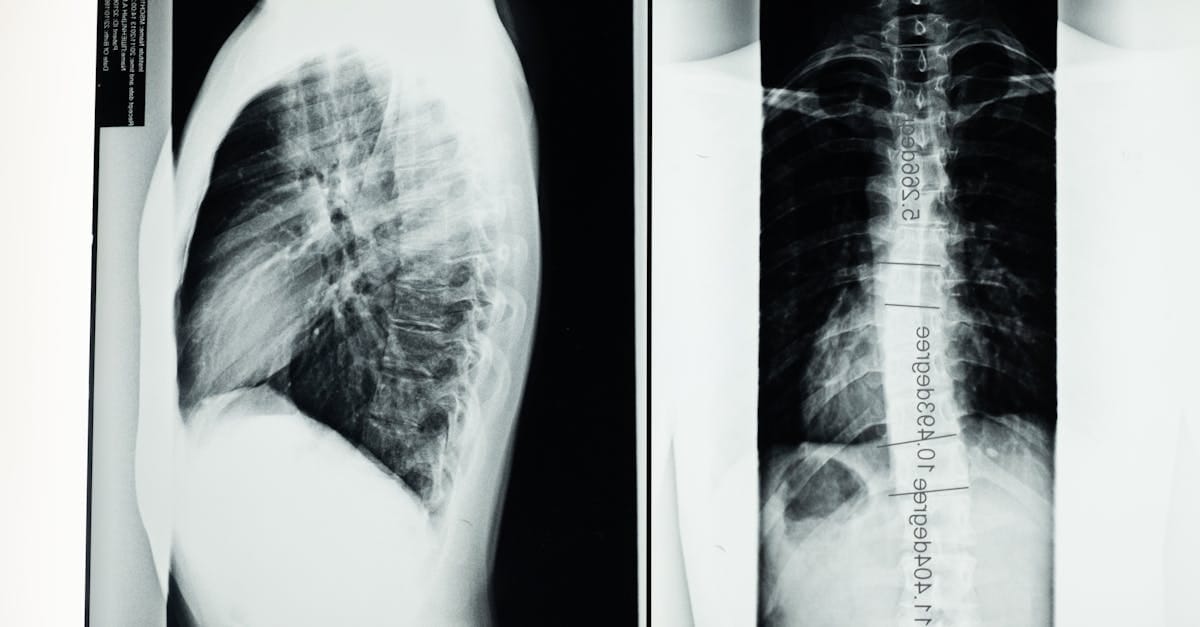
Spinal decompression is an innovative method that is attracting considerable interest in treating pain associated with osteoarthritis. This non-invasive technique offers an alternative for relieving patients suffering from chronic back and neck pain. Through specialized equipment, spinal decompression creates controlled traction on the spine, thus promoting relief from osteoarthritis symptoms. In this article, we will examine in detail how this approach can improve the quality of life for individuals affected by this condition.
What is spinal decompression?
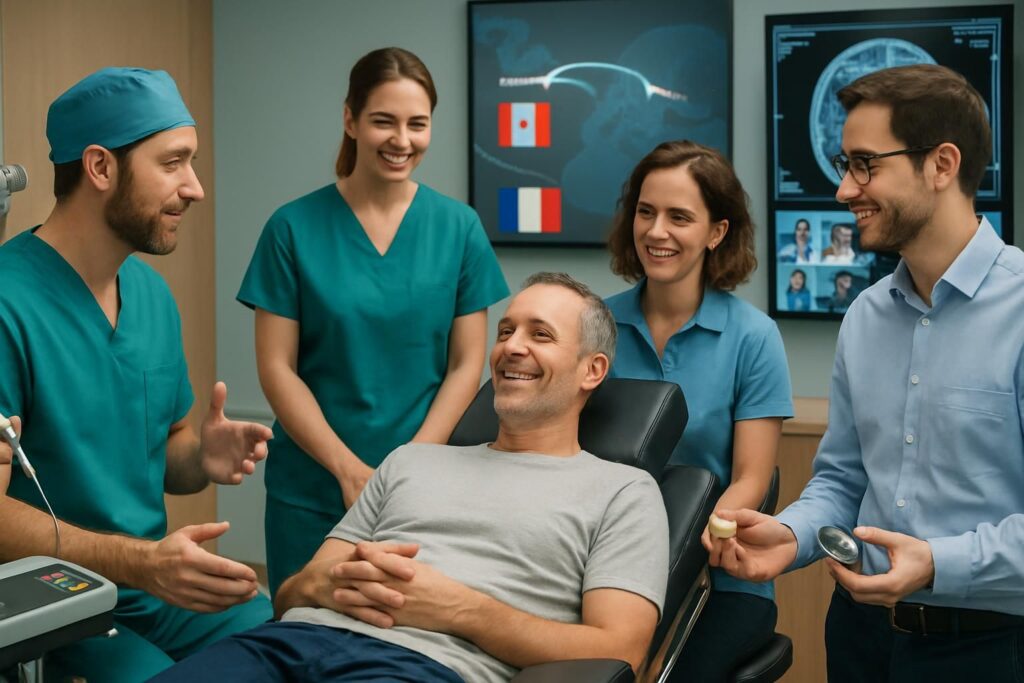
Spinal decompression is a non-invasive chiropractic treatment that uses a specialized table designed to exert a traction force on the spine. This technique aims to create space between the vertebrae, thereby reducing pressure on the intervertebral discs. By relieving this pressure, blood circulation and oxygenation of tissues are improved, which can contribute to natural healing. Spinal decompression represents a promising solution for individuals suffering from osteoarthritis, especially when conventional treatments are insufficient.
Chirurgie du cou à Montréal : préserver la souplesse post-opératoire
Dans le contexte actuel de la santé au Québec, les douleurs cervicales représentent un défi quotidien pour nombre de patients dont la mobilité et le confort sont gravement affectés. La chirurgie du cou, longtemps connue pour entraîner une rigidité post-opératoire,…
Benefits for osteoarthritis patients
Patients with facet joint osteoarthritis can greatly benefit from spinal decompression. This method helps to alleviate joint pain by reducing stress on the affected joints. Decompression also helps to improve joint mobility and flexibility, allowing patients to regain a better level of physical activity. By reducing pain, spinal decompression can also contribute to an improved quality of life, enabling individuals to resume certain activities they had to abandon due to discomfort.
IntraSPINE® à Sherbrooke : préserver la mobilité intervertébrale
Dans le domaine de la chirurgie du dos, la préservation de la mobilité rachidienne constitue un enjeu fondamental pour les patients souffrant de douleurs lombaires invalidantes. À Sherbrooke, la technologie IntraSPINE marque une avancée majeure en proposant une stabilisation dynamique…
Observed results
Numerous patient testimonials highlight the positive results of spinal decompression. Individuals suffering from osteoarthritis often report a significant reduction in pain after several treatment sessions. Furthermore, some patients assert that they have experienced an overall improvement in their condition and a renewal of their ability to engage in social and physical activities. This method represents a real hope for those battling osteoarthritis.
Chirurgie du dos à Trois-Rivières : soins spécialisés et personnalisés
La chirurgie du dos constitue une étape cruciale pour de nombreux patients souffrant de douleurs persistantes et invalidantes au niveau de la colonne vertébrale. À Trois-Rivières, cette réalité est au cœur des préoccupations des équipes de soins qui déploient des…
A treatment to consider
Spinal decompression deserves to be considered as a viable option for patients suffering from osteoarthritis. As a non-invasive method, it carries fewer risks than surgical interventions and does not require heavy medications. It is essential for individuals interested in this approach to consult a qualified healthcare professional to determine their eligibility for treatment. You can learn more about this promising method by checking the resources available on the neurovertebral decompression website.
In summary, spinal decompression appears as a ray of hope for those suffering from osteoarthritis, offering both relief and improvement in quality of life.
Medical disclaimer: The information and advice provided on this site do not replace the opinion, diagnosis, or treatment of a healthcare professional. Please note that Dr. Sylvain Desforges, osteopath, is neither a doctor of medicine nor a physician and is not a specialist in a medical specialty as defined by the Collège des médecins du Québec. Manual medicine, functional medicine, and sports medicine as described on this site exclude any treatment or medical diagnosis made by a physician or specialist. Always consult your doctor for any medical questions. For more details, please read our complete Legal Notice.
- Spinal decompression : Non-invasive technique
- Osteoarthritis : Common joint issue
- Pain relief : Improves quality of life
- Controlled traction force : Action on the spine
- Disc recovery : Promotes healing
- Personalized treatment : Approach tailored to each patient
- Proven results : Testimonials from satisfied patients
- Symptom reduction : Decreases discomfort
- Alternatives to medication : Natural solution
- Prevention of surgical interventions : Avoids invasive treatments
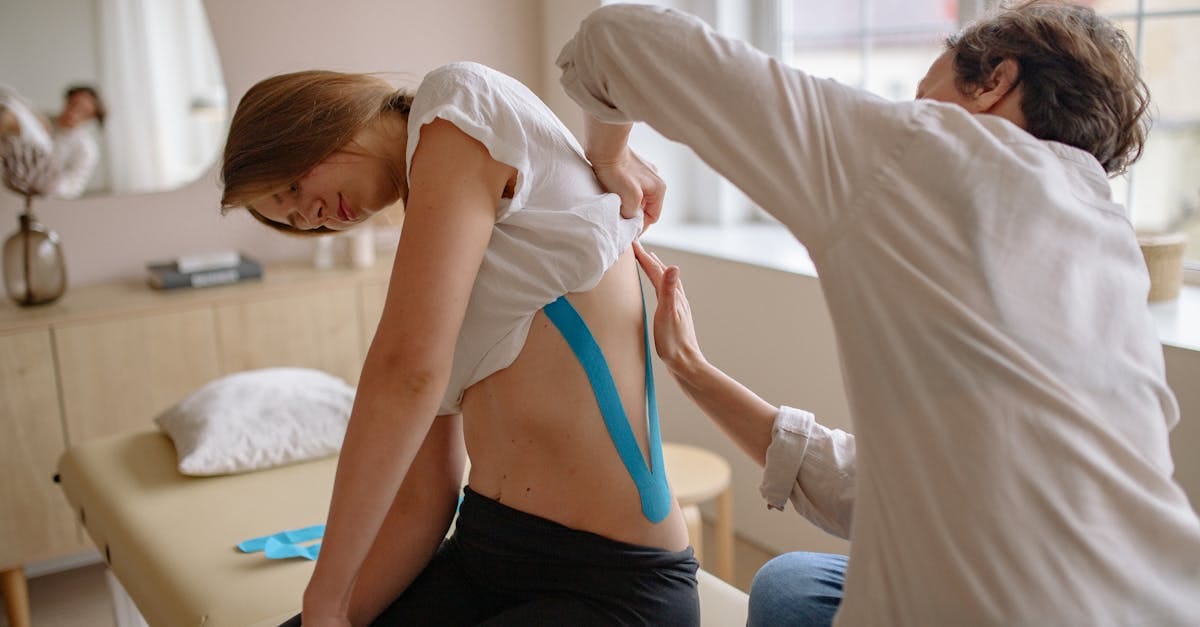
The spinal tear is a revolutionary method that offers new hope to those suffering from osteoarthritis. Thanks to non-invasive techniques, this approach aims to relieve pain and promote recovery from spinal joint issues. In this article, we will explore the various aspects of spinal decompression, its benefits, and the conditions under which it may be particularly effective for patients suffering from osteoarthritis.
Arthrose et précautions pendant la thérapie
L’arthrose de la colonne vertébrale, qu’elle soit cervicale ou lombaire, est bien plus qu’un simple inconfort articulaire. Cette pathologie entraîne souvent des douleurs persistantes, une raideur difficile à supporter et une mobilité réduite qui peuvent altérer significativement la qualité de…
What is spinal decompression?
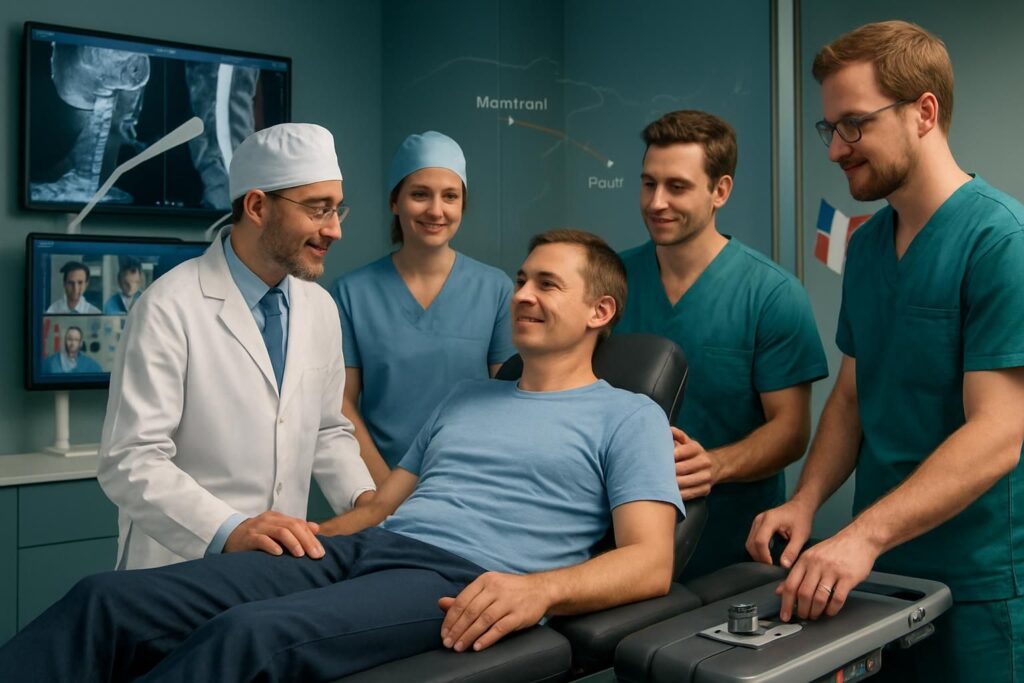
The spinal tear is a treatment that uses a controlled traction technique to relieve pressure exerted on intervertebral discs. This is particularly relevant for individuals with osteoarthritis, a condition that can lead to persistent pain and movement limitations. By utilizing specialized equipment, practitioners apply an effective traction force on the spine to create space that helps reduce nerve compression and improve blood circulation.
How does it work?
The spinal decompression method specifically targets the areas of the spine where pain related to osteoarthritis manifests. During sessions, the patient is placed on a decompression table that automatically adjusts to apply traction. This process triggers physiological responses that facilitate the healing of inflamed tissues and reduce pain. It also allows damaged discs to rehydrate, thereby increasing their ability to function correctly.
Chirurgie mini-invasive à Longueuil : limiter la durée d’hospitalisation
La chirurgie mini-invasive du rachis représente en 2026 une véritable avancée pour les patients de Longueuil et du Québec, à la croisée de l’innovation technologique et de l’expertise clinique internationale. Ce type d’intervention, alliant précision et réduction du trauma, offre…
Benefits for patients suffering from osteoarthritis
The benefits of spinal decompression are numerous, especially for those suffering from osteoarthritis. This method helps to:
- Alleviate pain : Reducing the pressure on nerves and joints helps considerably lessen pain.
- Improve mobility : Patients often notice an increase in their range of motion after several sessions.
- Avoid surgical interventions : For many patients, spinal decompression offers a non-invasive alternative to more invasive treatments like surgery.
- Facilitate injury healing : By improving blood circulation, decompression promotes the repair of damaged tissues.
Arthrose et traction mécanique : différence avec la décompression avancée
Nombreuses sont les personnes à Montréal, Terrebonne et sur la Rive-Nord qui souffrent d’arthrose de la colonne vertébrale, une pathologie chronique génératrice de douleurs articulaires et de raideurs souvent invalidantes. Face à ces symptômes, plusieurs options thérapeutiques non invasives s’offrent…
Who can benefit from spinal decompression?
Spinal decompression is particularly beneficial for patients suffering from spinal osteoarthritis, but it can also be effective for other conditions such as:
- Herniated discs : This method can reduce symptoms associated with herniations by decreasing the pressure on nerves.
- Sciatica : Decompression can relieve pain radiating along the sciatic nerve caused by spinal compressions.
- Cervical pain : Patients with chronic cervical pain may also report significant benefits.
Prothèse discale à Lévis : résultats rapides et durables
Dans un contexte où la douleur dorsale affecte la qualité de vie de milliers de Québécois, la prothèse discale à Lévis apparaît comme une avancée majeure dans la chirurgie du dos. Cette intervention innovante vise à offrir des résultats rapides…
Conclusion on the advantages of spinal decompression
In summary, the spinal tear represents a significant advancement in the treatment of osteoarthritis. Its ability to relieve pain and improve the quality of life for patients makes this technique a potential key option for many individuals suffering from chronic pain. Non-invasive treatments like this one are among the most promising solutions for effectively and sustainably managing osteoarthritis.
IntraSPINE® à Laval : intervention rapide et sécuritaire
Dans un contexte où les douleurs lombaires chroniques représentent un défi majeur pour de nombreux patients actifs, l’implant IntraSPINE se positionne comme une avancée décisive en orthopédie. Cette innovation technologique, désormais accessible à Laval, propose une intervention rapide et sécuritaire…
Comparison of treatments for osteoarthritis
| Treatment | Benefits |
| Spinal decompression | Non-invasive solution, relieves pain, and promotes healing |
| Physical therapies | Improves mobility and muscle strength but with temporary effect |
| Anti-inflammatory medications | Rapid pain relief, long-term side effects |
| Surgery | Possible durable results but invasive with recovery time |
| Acupuncture | Complementary practice, soothes pain but not for everyone |
| Corticosteroid injections | Rapid relief of inflammation but time-limited effect |
| Dietary supplements | Potentially beneficial, varying results depending on individuals |
Testimonials on Spinal Decompression: Hope for Osteoarthritis
Many patients suffering from osteoarthritis have discovered true relief through the technique of spinal decompression. For example, Ms. Dupont, 58 years old, shares her experience: « After years of chronic pain, I finally found a method that works. Spinal decompression has not only reduced my pain but has also allowed me to regain mobility that I thought I had lost forever. »
An additional notable testimony comes from Mr. Martin, who has struggled with facet joint osteoarthritis of the L4 and L5 vertebrae. « Decompression has given me a new perspective on my quality of life. Thanks to this non-invasive method, I have been able to resume my daily activities without being constantly bothered by throbbing pain. »
The improvements are not limited to pain relief alone. As Ms. Leroy points out, « This treatment has also positively impacted my mental health. Chronic pain can be extremely debilitating, but spinal decompression has given me hope and confidence. »
Finally, Mr. Beaulieu, a former athlete, shares the transformation he experienced: « Spinal decompression has changed my life. I suffered from disc compressions due to my sports career, but this method helped me regain an active life. I am convinced that it is a true hope for those suffering from osteoarthritis. »
In the health field, technological advancements have opened new perspectives for those suffering from chronic pain. One of the methods that is garnering increasing interest is spinal decompression, particularly beneficial for individuals with osteoarthritis. This non-invasive treatment aims to relieve pain and promote the healing of the spine while preserving the patient’s physical integrity.
Spinal decompression relies on creating space between the vertebrae, thereby relieving the pressure exercised on the intervertebral discs. Through a specialized device, controlled traction is applied to the spine. This technique is particularly effective in reducing pain associated with osteoarthritis by promoting better blood circulation and regenerating affected tissues. The muscle groups surrounding the spine also benefit from this approach, improving the overall mobility of the patient.
The results achieved through spinal decompression are promising. Patients often report a significant reduction in pain, an improvement in their quality of life, and a return to their daily activities. The beneficial effects of this method are felt both in the short and long term, making spinal decompression a therapeutic option to seriously consider in the management of osteoarthritis.
Dr. Sylvain Desforges, an expert in osteopathy, naturopathy, and manual medicine, is at the forefront of this innovation. As the founding president of TAGMED clinics and the ACMA association, he dedicates his career to researching solutions for chronic pain. His specialization in pain management, along with the integration of advanced technologies such as spinal decompression, laser therapy, and shockwave therapy, allows him to offer patients customized treatment based on scientific evidence.
Dr. Desforges’ mission is clear: to optimize the health and well-being of his patients. He adopts a holistic approach that takes into account the entire body and its imbalances and believes that spinal decompression can transform the lives of those affected by osteoarthritis. Beyond simply reducing pain, this technique aims to restore function and freedom of movement, allowing patients to regain their preferred activities.
By addressing the symptoms of osteoarthritis through spinal decompression, Dr. Desforges emphasizes the importance of patient education. Informing patients about the mechanisms of pain and the available therapeutic options is an essential part of his approach. Thus, patients are better equipped to make informed decisions regarding their treatment and health.
In summary, spinal decompression represents true hope for those suffering from osteoarthritis. Thanks to experts like Dr. Sylvain Desforges and innovative techniques, it is possible to benefit from effective, safe, and respectful treatment tailored to individual needs, paving the way for a better quality of life for many patients.
The Pulse Align Neuromodulation Technology and its Role in Improving Osteoarthritis
Mechanism of Action
The Pulse Align technology uses gentle impulse vibrations to stimulate type 2 mechanoreceptors present in muscles and joints. This process promotes a return to the natural state of balance and muscle tone, essential for reducing tensions and bodily imbalances caused by osteoarthritis. By restoring this balance, muscles can respond better to daily movements, thereby reducing pain and associated symptoms of this condition.
Specific Advantages
This non-invasive approach presents numerous benefits for individuals suffering from osteoarthritis. Firstly, it helps to reduce pain and improve muscle function, allowing patients to regain increased mobility. Additionally, the impulse vibrations promote blood circulation, which accelerates the recovery process, allowing for better management of chronic symptoms associated with osteoarthritis. Patients often report a feeling of lightness and relief from tension after Pulse Align sessions.
Comparison with Other Treatments
Compared to other therapies often used to treat osteoarthritis, such as the use of anti-inflammatory medications or surgical interventions, Pulse Align stands out for its non-invasive approach, requiring neither chemicals nor heavy medical procedures. This makes it an interesting option for patients wishing to avoid side effects associated with medications or risks linked to invasive interventions. Traditional treatments can have benefits, but they are often accompanied by restrictions or long-term side effects, which is not the case with Pulse Align.
Case Studies and Testimonials
Numerous testimonials from patients who have benefited from Pulse Align technology highlight significant positive results in managing osteoarthritis. For example, patients who suffered from chronic knee pain reported a 50% reduction in their pain after a few weeks of treatment. These results are often corroborated by clinical studies that show measurable improvements in mobility and reductions in painful symptoms. Such testimonials reinforce the idea that Pulse Align represents a genuine hope for those looking to enhance their quality of life in the face of osteoarthritis.
Spinal decompression represents a significant advancement for those suffering from osteoarthritis, particularly at the spinal level. This non-invasive method uses controlled traction to relieve pain and improve patients’ quality of life. Through specialized equipment, it effectively treats symptoms related to this condition, offering a sustainable alternative to more invasive treatments.
For patients with facet joint osteoarthritis, spinal decompression works by reducing pressure on the affected joints and promoting the healing of damaged tissues. By targeting areas of pain, this technique helps restore mobility and decrease daily discomfort. Patient testimonials highlight a notable improvement in their quality of life and their ability to carry out their usual activities without pain.
Moreover, spinal decompression proves to be a suitable solution for severe cases of osteoarthritis, allowing management of chronic symptoms that can often seem unmanageable. Alongside the sessions, adopting a healthy lifestyle and integrating specific exercises are essential to optimize results. Patients are encouraged to consult qualified professionals to benefit from personalized follow-up and a therapeutic approach tailored to their needs.
For those seeking long-term relief and effective management of their osteoarthritis, spinal decompression emerges as a possibility not to be overlooked. By understanding the advantages of this method, patients can make informed choices about their treatment and look forward to a more serene future, where pain is no longer an obstacle to their daily well-being.
FAQ
Décompression neurovertébrale
Quels sont les bienfaits de la décompression vertébrale?
Les bienfaits incluent une réduction de la douleur, une amélioration de la mobilité et une diminution des engourdissements ou picotements.
Quels sont les premiers signes indiquant un besoin de décompression discale?
Des douleurs persistantes, des engourdissements ou une perte de mobilité peuvent indiquer un besoin de traitement.
La décompression vertébrale est-elle adaptée aux adolescents?
Oui, si elle est recommandée par un professionnel de santé, elle peut être utilisée chez les adolescents.
La décompression neurovertébrale est-elle douloureuse?
Non, le traitement est généralement confortable et peut même être relaxant.
Quels facteurs aggravent les conditions traitées par la décompression vertébrale?
Les mauvaises postures, les mouvements répétitifs et le stress sur la colonne peuvent aggraver ces conditions.
Quels sont les avantages de la décompression neurovertébrale par rapport aux autres méthodes non invasives?
Elle cible directement la source de la douleur en réduisant la pression sur les disques et les nerfs, offrant un soulagement durable.
Quels problèmes de dos peuvent être traités par la décompression discale?
Elle peut traiter les hernies discales, les bombements discaux, la sténose spinale et d’autres douleurs chroniques du dos.
Quels sont les bienfaits pour les sportifs utilisant la décompression neurovertébrale?
Elle aide à réduire la douleur et à accélérer la récupération après une blessure liée à la colonne.
Quels types de douleurs la décompression discale peut-elle soulager?
Elle peut soulager les douleurs cervicales, lombaires et les douleurs irradiantes.
Puis-je reprendre mes activités normales après une séance de décompression?
Oui, la plupart des patients peuvent reprendre leurs activités quotidiennes immédiatement après une séance.
La décompression discale peut-elle traiter les douleurs irradiantes?
Oui, elle est efficace pour réduire les douleurs irradiantes causées par des compressions nerveuses.
Quels sont les risques de ne pas traiter une condition nécessitant une décompression discale?
Sans traitement, les conditions peuvent s’aggraver, entraînant des douleurs chroniques ou des complications neurologiques.
Quels sont les bienfaits immédiats d’une séance de décompression neurovertébrale?
Un soulagement de la douleur et une sensation de relaxation sont souvent rapportés après une séance.
La décompression neurovertébrale est-elle efficace pour les hernies discales?
Oui, elle est particulièrement efficace pour réduire les douleurs liées aux hernies discales.
Combien coûte un traitement complet de décompression neurovertébrale?
Le coût varie selon la clinique et la durée du traitement, mais il reste souvent moins cher qu’une chirurgie.
La décompression vertébrale peut-elle améliorer la qualité de vie?
Oui, en soulageant la douleur chronique, elle permet aux patients de retrouver une meilleure qualité de vie et des activités normales.
Quels sont les risques de la décompression neurovertébrale?
Les risques sont faibles, mais certains patients peuvent ressentir une légère raideur temporaire après les séances.
Puis-je pratiquer des activités sportives pendant le traitement?
Oui, mais il est important de consulter un professionnel pour adapter les activités selon votre condition.
Quels examens sont nécessaires avant de commencer un traitement de décompression?
Un examen clinique approfondi et des imageries comme une IRM ou une radiographie sont souvent nécessaires.
Quels sont les signes indiquant une compression nerveuse nécessitant une décompression?
Une douleur irradiant dans les bras ou les jambes, des engourdissements ou une perte de force peuvent indiquer une compression nerveuse.
Références