

Décompression vertébrale : solution moderne pour hernie discale
20 novembre 2024
Décompression spinale : solution pour maux de cou
20 novembre 2024
IN BRIEF Spinal decompression is a modern, non-surgical technique aimed at treating disc herniation. This innovative process reduces pressure on the intervertebral discs by creating space between the vertebrae, thus promoting fluid circulation and decreasing inflammation. Available in Paris, this service provides effective results for patients suffering from lower back or neck pain. In addition to being comfortable and safe, this method represents an interesting alternative for those seeking relief without the risks associated with surgery. |
Spinal decompression is an innovative technique that emerges as an effective non-surgical solution for treating disc herniations. By using a sophisticated computer-controlled approach, it applies gentle and targeted traction to the spine. This process creates space between the vertebrae, thereby facilitating fluid circulation and reducing inflammation in the affected discs. Moreover, spinal decompression is particularly beneficial for patients who have not responded to conventional treatments, offering them hope for lasting relief and a return to a pain-free daily life.
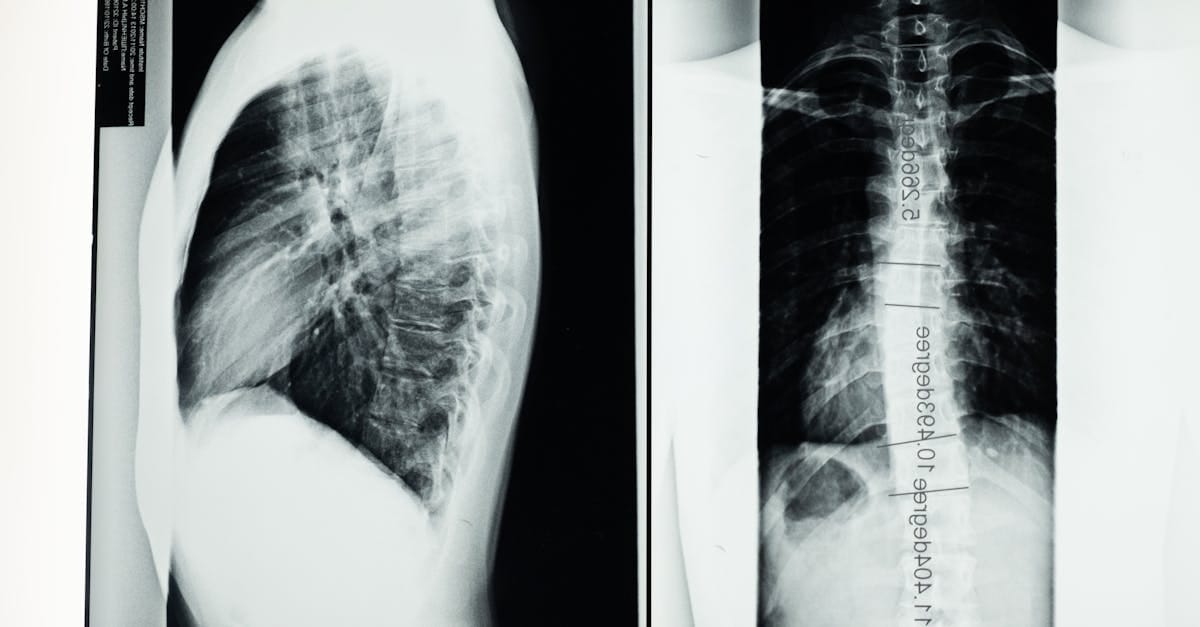
The disc tear represents a common health issue affecting many individuals. Spinal decompression emerges as a modern approach to treating this condition without resorting to surgery. This article explores the essential aspects of this technique and its benefits, providing a clear insight into why it is considered an effective solution.
What is spinal decompression?
Spinal decompression is a non-surgical technique. It involves applying gentle traction to the spine. This method aims to create space between the vertebrae, which helps to reduce the pressure on the intervertebral discs.
Arthrose et suivi professionnel à Terrebonne
Souffrir d’arthrose de la colonne vertébrale est une réalité partagée par de nombreux résidents de Terrebonne et de Montréal. Cette affection se manifeste principalement par des douleurs chroniques, des raideurs et une limitation progressive des mouvements. Face à ces symptômes,…
How does it work?
During decompression, a specialized machine performs precise tractions. This not only gently stretches the spine but also enhances fluid circulation in the affected area. The main goal is to relieve pain, reduce inflammation, and promote tissue healing.
Traitement arthrose facettaire à Terrebonne
Souffrir d’arthrose facettaire peut transformer chaque mouvement en un défi quotidien, imposant douleur et rigidité à votre quotidien. À Terrebonne, cette affection vertébrale touche un nombre croissant de personnes, impactant leur mobilité et leur qualité de vie. La Clinique TAGMED,…
Benefits of spinal decompression
The advantages of spinal decompression include:
- Pain relief associated with conditions such as disc herniations.
- Improved blood circulation in the spine.
- Non-invasive technique, reducing the risks associated with surgical operations.
- Possibility of outpatient treatment, allowing patients to quickly resume their daily activities.
Décompression pour arthrose disponible près de Mascouche
La décompression neurovertébrale s’impose aujourd’hui comme une option privilégiée pour les personnes souffrant d’arthrose de la colonne vertébrale aux alentours de Mascouche. Cette approche non chirurgicale utilise des technologies avancées pour offrir un soulagement significatif des douleurs, réduire la raideur…
Who can benefit from spinal decompression?
This method is particularly beneficial for people suffering from disc herniations, lower back pain, and pain related to degenerative spinal diseases. Before starting this treatment, it is essential to consult a qualified healthcare professional to determine its suitability for each individual case.
Arthrose et service haut de gamme à Montréal
Vivre avec l’arthrose de la colonne vertébrale peut transformer chaque geste quotidien en un défi. Que vous ressentiez une raideur cervicale gênante ou des douleurs lombaires persistantes, ces symptômes affectent profondément votre mobilité et votre qualité de vie. À Montréal…
Considerations and precautions
Although spinal decompression is generally safe, it requires a thorough evaluation by a professional. Certain conditions, such as spinal fractures or infections, may make this technique inappropriate for some patients.
For more information on spinal decompression and its effectiveness, you can consult additional resources: Disc herniation: why choose neurospinal decompression? and Pain relief with decompression.
For any medical questions, it is recommended to discuss them with a qualified physician or specialist.
Medical disclaimer: The information and advice provided on this site do not replace the opinion, diagnosis, or treatment of a healthcare professional. Please note that Dr. Sylvain Desforges, osteopath, is neither a medical doctor nor a physician, and is not a specialist in any medical specialty as defined by the College of Physicians of Quebec. Manual medicine, functional medicine, and sports medicine as described on this site exclude any treatment or medical diagnosis made by a doctor or medical specialist. Always consult your doctor for any medical question. For more details, please read our full Legal Disclaimer.
- Spinal Decompression: Modern non-surgical technique.
- Pain Reduction: Targets areas affected by disc herniation.
- Advanced Technology: Use of a computerized device for precision.
- Controlled Traction: Applies gentle pressure on the spine.
- Circulation Improvement: Promotes nutrient delivery to discs.
- Inflammation Reduction: Decreases swelling in affected areas.
- Personalized Follow-up: Tracks patient progress over time.
- Symptom Relief: Effective for lower back pain and neck pain.
- Safe Approach: Lower risks compared to surgery.
- Accessibility: Treatment available in several clinics in Paris and Geneva.

Prothèse discale cervicale à Québec : solution durable pour douleurs cervicales
Dans un contexte où les douleurs cervicales affectent une grande partie de la population québécoise, la recherche de solutions durables et efficaces est une priorité. Face à des alternatives chirurgicales traditionnelles souvent synonymes de douleurs prolongées et d’une récupération laborieuse,…
Spinal Decompression: A Modern Solution for Disc Herniation
Spinal decompression represents an innovative approach to treating disc herniation. By relying on advanced technologies, this non-surgical method effectively alleviates pain related to spinal issues without the risks associated with surgery. Through sophisticated techniques and the use of computerized devices, spinal decompression improves fluid circulation in the spine, reduces inflammation, and promotes healing.
Où faire traiter l’arthrose par décompression à Montréal
En plein cœur de Montréal et de Terrebonne, l’arthrose de la colonne vertébrale représente une source fréquente de douleurs et de limitations fonctionnelles pour de nombreux patients. Cette affection dégénérative, souvent associée au vieillissement, trouve aujourd’hui des solutions novatrices et…
The Principles of Spinal Decompression
Spinal decompression is based on the principle of creating space between the vertebrae. By applying gentle and controlled traction, this technique helps to relieve the pressure experienced by the intervertebral discs. This non-invasive process aids in reducing pain and promoting tissue regeneration. Treatments specifically target the affected areas, allowing for optimal results with minimal discomfort.
The Impact on Fluid Circulation
One of the major positive effects of spinal decompression is the improvement of fluid circulation within the spinal column. By creating adequate space, this technique facilitates the delivery of nutrients and the elimination of waste, thus contributing to restoring proper function of the discs and nerves. This better circulation plays a crucial role in reducing inflammation and promoting an environment conducive to healing.
Arthrose et satisfaction des patients mesurée par enquête
En bref : L’arthrose de la colonne vertébrale impacte fortement la qualité de vie par la douleur articulaire et les limitations fonctionnelles.Des enquêtes récentes montrent que la satisfaction des patients dépend largement de la réduction des douleurs et de l’amélioration…
Evaluation of Candidates for Spinal Decompression
Before starting a decompression treatment, it is essential to perform a comprehensive evaluation of the patient’s health condition. This evaluation typically includes clinical examinations and imaging techniques to characterize the severity of the disc herniation. Healthcare professionals must also consider the patient’s medical history, taking into account other pathologies or previous treatments.
Who Can Benefit from Spinal Decompression?
This therapy is particularly suitable for patients suffering from symptoms related to disc herniations who have not achieved satisfactory results through other treatment methods, such as physical therapy or medications. Individuals with associated disorders, such as sciatica or cervical pain, may also benefit from this approach. However, it is important to consult a professional to determine if this method is indicated for each individual case.
Chirurgie du cou à Montréal : préserver la souplesse post-opératoire
Dans le contexte actuel de la santé au Québec, les douleurs cervicales représentent un défi quotidien pour nombre de patients dont la mobilité et le confort sont gravement affectés. La chirurgie du cou, longtemps connue pour entraîner une rigidité post-opératoire,…
The Treatment Process
The spinal decompression treatment takes place over several sessions, typically spaced out over a few weeks. Each session focuses on relaxing and gently tractioning the targeted vertebrae. Using a specialized device, practitioners can precisely adjust the traction parameters according to each patient’s unique needs. Results are often quickly noticeable, with a significant reduction in pain and an improvement in mobility.
The Advantages of Spinal Decompression
The advantages of spinal decompression are numerous. Besides being non-invasive, this technique is characterized by its low rate of side effects. Patients often report considerable pain relief, an improvement in their quality of life, and a quick return to daily activities. It is a worthwhile option for those looking to avoid more aggressive surgical interventions.
| Criteria | Description |
| Method | Non-surgical technique, applying controlled tractions. |
| Objective | Create space between the vertebrae to reduce pressure on the nerves. |
| Efficacy | Significant improvement in 70-80% of patients. |
| Comfort | Painless treatment, allowing for regular follow-up. |
| Technology | Use of computerized devices for personalized treatment. |
| Indications | Disc herniations, lower back pain, cervical pain. |
| Session Duration | About 30 to 45 minutes per session. |
| Treatment Duration | Usually 2 to 4 weeks, depending on cases. |
| Risks | Minimal, generally well tolerated by patients. |
| Cost | Variable depending on the clinic and region. |

Data on Spinal Decompression: A Modern Solution for Disc Herniation
Spinal decompression represents a significant advancement in the treatment of disc herniation. This procedure, which relies on computerized technologies, allows for the personalization of treatments according to the patient’s evolution. With sophisticated devices, it is possible to precisely target the affected areas of the spinal column.
One of the main advantages of this method is that it does not require surgical intervention. This is particularly beneficial for patients who have not responded to conventional treatments. Instead of opting for an invasive operation, neurospinal decompression provides a gentle and effective alternative, allowing controlled traction on the intervertebral discs.
The results of this technique are often remarkable. Many patients report significant pain reduction and an improvement in their quality of life. Creating space between the vertebrae facilitates fluid circulation and contributes to decreasing inflammation, which is essential for rapid recovery.
Moreover, disc decompression has the advantage of being a personalized treatment. Each patient has a specific protocol based on their symptoms and needs. Tracking the evolution of treatments is facilitated by data memorization, enabling the adjustment of sessions based on the results obtained.
That said, it is crucial to consult qualified practitioners to ensure the effectiveness of the treatment. Care must be provided by experienced professionals who know how to maximize benefits while minimizing risks. Although neurospinal decompression is effective, it requires a thorough understanding of human anatomy and associated pathologies.
Finally, patients are often curious to know if this type of treatment will ever become mainstream. With the positive results observed and the absence of major complications, it is not surprising that spinal decompression is perceived as a promising modern solution for treating disc herniations. As research and technology progress, it is likely that this method will be increasingly adopted.
In a world where healthcare technologies continue to evolve, spinal decompression emerges as a non-surgical option for treating common conditions such as disc herniation. This innovative approach stands out for its effectiveness in relieving pain and restoring mobility, especially for patients suffering from chronic pain.
Spinal decompression utilizes a set of sophisticated techniques, including computerized machines that apply gentle traction on the spine. This process creates space between the vertebrae, allowing for better fluid circulation and a significant reduction in inflammation. Patients suffering from conditions like disc herniation greatly benefit from this method, which facilitates the decompression of the discs and optimizes their overall condition.
Neurospinal decompression is particularly appreciated in Paris and Geneva, where several practitioners, including experts in naturopathy and manual medicine, specialize in this technique. Among these professionals, Dr. Sylvain Desforges stands out. As the founding president of TAGMED clinics and the ACMA association, he has dedicated his career to health innovation.
Dr. Desforges combines his expertise in osteopathy, naturopathy, and manual medicine to manage chronic pain and integrate advanced technologies such as spinal decompression, laser therapy, and shockwave therapy. His approach is based on evidence, aiming to optimize the health and well-being of his patients.
The rise of spinal decompression as a treatment for disc herniations has been reinforced by clinical studies highlighting its effectiveness. Many patients report a significant reduction in pain, allowing them to regain an acceptable quality of life without resorting to surgery. The appeal of this method also lies in its non-invasive character.
However, it is crucial to note that each patient is unique, and results may vary. It is recommended to consult a qualified professional, such as Dr. Desforges, for a comprehensive evaluation and personalized follow-up. With modern technologies, an accurate diagnosis can be established, ensuring that neurospinal decompression is tailored to the specific needs of each individual.
In conclusion, spinal decompression asserts itself as a modern solution to the issue of disc herniations, offering an effective and safe alternative to traditional treatments. With the commitment of competent practitioners like Dr. Sylvain Desforges, patients can hope for lasting relief and a significant improvement in their health condition.
Spinal Decompression: A Modern Solution for Disc Herniation and Pulse Align Advantages
Mechanism of Action
The Pulse Align technology relies on the use of gentle impulse vibrations specifically designed to stimulate type 2 mechanoreceptors. These receptors play an essential role in the perception and regulation of muscle tension. By activating these receptors, the technology encourages a return to the natural state of balance and muscle tone. This neuromodulation process allows patients suffering from disc herniations to regain better posture and a reduction in associated pain, thus contributing to a significant improvement in their daily comfort.
Specific Advantages
This non-invasive approach offers multiple advantages for individuals suffering from pain and symptoms related to disc herniations. By reducing pain, Pulse Align improves muscle function and mobility. Treatments using impulse vibrations also promote accelerated recovery by strengthening surrounding muscles, thus decreasing pressure on the spinal column. Patients often report a feeling of lightness and flexibility following sessions, representing a notable advancement in their care journey.
Comparison with Other Treatments
When comparing the effectiveness of Pulse Align with other therapies, such as analgesic medications or invasive treatments, several advantages emerge. Unlike traditional solutions that may involve undesirable side effects or risks associated with surgery, Pulse Align requires neither medications nor invasive procedures. This method thus represents a safer treatment choice with fewer complications while providing significant results for patients suffering from disc herniation.
Case Studies or Testimonials
Testimonials from patients who have benefited from Pulse Align highlight the positive impacts of this treatment on their well-being. For instance, one patient reported a 70% reduction in their pain after a few weeks of use, allowing them to resume daily activities that had been briefly interrupted by their condition. Such case studies illustrate the effectiveness of this technology in managing symptoms related to disc herniations, providing hope to many patients in search of viable and comfortable solutions.
Spinal decompression presents itself as a modern and non-surgical solution for the treatment of disc herniation. By utilizing innovative technology, this approach aims to effectively relieve pain and improve the quality of life of patients suffering from spinal issues. Through a computer-controlled process, it precisely targets the affected discs and joints while promoting fluid circulation and reducing inflammation.
The disc tear method uses gentle and targeted traction to create space between the vertebrae. This mechanism not only promotes fluid circulation but also aids in the recovery of damaged tissues. Consequently, patients who have not achieved satisfactory results through other therapies may find this technique to be a promising alternative. Neurospinal decompression thus represents a true advancement for individuals suffering from chronic pain related to disc herniations.
Furthermore, this approach is tailored to the individual needs of patients. The computerized tracking of treatments allows for a better assessment of progress, facilitating potential adjustments to sessions based on bodily reactions. This personalized nature enhances the overall effectiveness of the treatment and ensures optimal comfort for the patient.
User feedback is generally positive, frequently mentioning significant pain reduction and improved mobility. Many practitioners, including chiropractors and osteopaths, integrate this method into their practice, emphasizing its potential for treating disc herniations, lower back pain, cervical pain, and other conditions related to the spinal column.
In summary, spinal decompression represents a modern and less invasive option for treating disc problems. Thanks to its proven effectiveness and individualized approach, it continues to gain popularity in the field of spinal care, offering a glimmer of hope to those who suffer in silence.
FAQ
Décompression neurovertébrale
La décompression neurovertébrale peut-elle traiter plusieurs niveaux de la colonne?
Oui, elle peut être ajustée pour cibler plusieurs zones en fonction des besoins du patient.
La décompression neurovertébrale peut-elle prévenir une intervention chirurgicale?
Oui, elle est souvent utilisée comme alternative non chirurgicale pour traiter les affections de la colonne.
La décompression vertébrale peut-elle améliorer la qualité de vie?
Oui, en soulageant la douleur chronique, elle permet aux patients de retrouver une meilleure qualité de vie et des activités normales.
La décompression discale peut-elle traiter les douleurs irradiantes?
Oui, elle est efficace pour réduire les douleurs irradiantes causées par des compressions nerveuses.
Quels examens permettent de déterminer l’éligibilité à la décompression?
Une consultation clinique et des examens d’imagerie comme l’IRM sont nécessaires pour déterminer l’éligibilité.
La décompression neurovertébrale est-elle douloureuse?
Non, le traitement est généralement confortable et peut même être relaxant.
Combien de temps dure une séance de décompression discale?
Chaque séance dure généralement entre 15 et 30 minutes, selon le protocole personnalisé.
Combien de temps les effets d’un traitement de décompression vertébrale durent-ils?
Les effets varient, mais une amélioration durable est souvent constatée avec un suivi approprié.
Quels sont les premiers signes indiquant un besoin de décompression discale?
Des douleurs persistantes, des engourdissements ou une perte de mobilité peuvent indiquer un besoin de traitement.
Combien coûte un traitement complet de décompression neurovertébrale?
Le coût varie selon la clinique et la durée du traitement, mais il reste souvent moins cher qu’une chirurgie.
Quels types de douleurs la décompression discale peut-elle soulager?
Elle peut soulager les douleurs cervicales, lombaires et les douleurs irradiantes.
Qu’est-ce que la décompression neurovertébrale?
La décompression neurovertébrale est une thérapie non chirurgicale visant à réduire la pression sur les disques intervertébraux et les nerfs pour soulager la douleur.La décompression discale est-elle efficace pour les bombements discaux?
Oui, elle peut aider à réduire la pression sur les disques bombés, favorisant leur rétraction.
Comment se déroule une séance typique de décompression neurovertébrale?
La séance commence par un positionnement confortable, suivi d’un étirement doux et progressif de la colonne vertébrale pour réduire la pression sur les disques.
La décompression vertébrale est-elle adaptée aux adolescents?
Oui, si elle est recommandée par un professionnel de santé, elle peut être utilisée chez les adolescents.
Quels types de disques peuvent être traités par la décompression neurovertébrale?
Les disques bombés, herniés ou dégénérés peuvent être traités efficacement par la décompression.
La décompression vertébrale est-elle adaptée aux personnes âgées?
Oui, elle est sûre et efficace pour les personnes âgées souffrant de douleurs chroniques de la colonne vertébrale.
En quoi consiste la décompression vertébrale?
Elle consiste à étirer doucement la colonne vertébrale pour créer une pression négative, permettant au disque de se repositionner et de réduire les compressions nerveuses.
Quels sont les bienfaits de la décompression vertébrale?
Les bienfaits incluent une réduction de la douleur, une amélioration de la mobilité et une diminution des engourdissements ou picotements.
Quels sont les bienfaits pour les sportifs utilisant la décompression neurovertébrale?
Elle aide à réduire la douleur et à accélérer la récupération après une blessure liée à la colonne.
Références