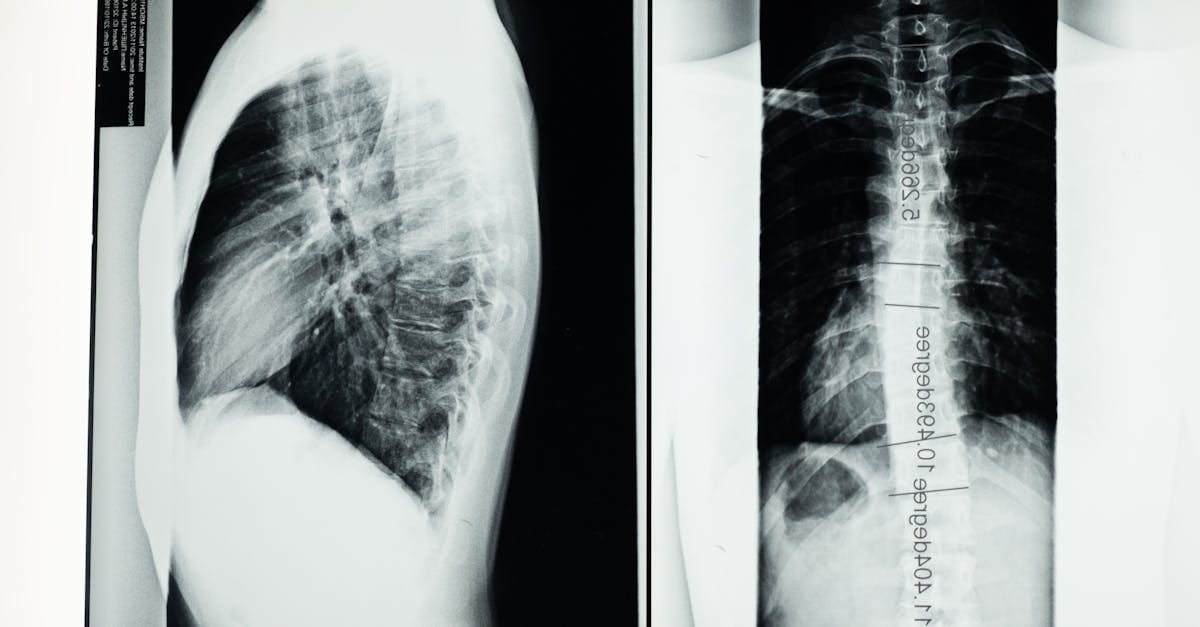
Décompression vertébrale : remède pour disque écrasé
IN BRIEF
In brief, spinal decompression is a non-invasive method designed to relieve pain related to compressed discs, particularly herniated discs and discopathies. Available in Lyon, this treatment is especially recommended for those suffering from sciatica or lower back pain. Using a neurovertebral decompression table, this approach helps reduce pressure on the discs, thereby facilitating relief from symptoms while being effective and safe.
Spinal decompression is an innovative technique aimed at treating issues related to intervertebral discs, particularly compressed discs. This non-invasive treatment helps reduce pressure on degenerative discs, contributing to pain relief associated with conditions such as herniated discs and disc bulges. By utilizing equipment like the spinal decompression table, the method targets reflex muscle contractions, promoting better spinal health and natural regeneration of the discs over time.
Spinal decompression is an innovative treatment method that aims to relieve symptoms related to compressed discs, particularly pain and numbness. This approach fits as a non-invasive, effective, and natural option for those suffering from discopathies. Let’s explore the principles that underlie this therapy and its benefits.
Understanding Compressed Discs
Intervertebral discs act as shock absorbers between the vertebrae of the spine. When a disc is compressed, it can lead to severe pain, compression of nearby nerves, and sometimes partial disability. Possible causes include aging, injuries, or repetitive movements. Spinal decompression offers a solution to reduce this pressure by increasing the space between the vertebrae.
Dans la région de Terrebonne, caractérisée par une population dynamique et active, l’arthrose de la colonne vertébrale demeure une cause majeure de douleurs et de limitations fonctionnelles. Cette affection dégénérative, qui touche notamment l’arthrose lombaire et cervicale, se manifeste par…
How Does Spinal Decompression Work?
Neurovertebral decompression uses specialized technology to stretch the spine. This process creates a vacuum that helps reposition the intervertebral discs, reducing pressure on the nerves. This not only alleviates pain but also facilitates blood circulation to the compressed areas, thereby promoting tissue healing. This technique has been shown to improve the quality of life for individuals affected by back problems such as herniated discs.
En bref : Décompression neurovertébrale : une technique non chirurgicale reconnue pour sa sécurité et son efficacité dans la prise en charge de l’arthrose de la colonne vertébrale.L’arthrose lombaire et l’arthrose cervicale provoquent douleurs, raideurs et limitations motrices qui impactent…
Advantages of Spinal Decompression
One of the main advantages of spinal decompression is that it is non-invasive, unlike surgical interventions. Patients can benefit from this method without the side effects often associated with pain medications or corticosteroids. Additionally, it presents a low risk of complications, making it a safe treatment option. For those suffering from chronic pain, this approach can offer significant relief, thereby improving overall well-being.
Souffrir d’une arthrose de la colonne vertébrale peut rapidement empiéter sur votre qualité de vie, surtout lorsque la douleur articulaire s’installe avec insistance. Sur la Rive-Nord, entre Montréal et Terrebonne, une approche novatrice s’impose face à cette condition chronique :…
Who Can Benefit from Spinal Decompression?
Neurovertebral decompression can be beneficial for individuals suffering from discopathies, lower back pain, sciatica, and other spinal conditions. It is particularly directed at patients who have already tried other treatments without success. In many cases, patients report improvement in their condition after just a few sessions. For more information on its benefits, you can consult the resources available on decompressionneurovertebrale.com.
Chaque année, un nombre croissant de personnes à Terrebonne et sur la Rive-Nord de Montréal font face aux difficultés engendrées par l’arthrose de la colonne vertébrale. Cette affection chronique, responsable de douleurs persistantes, d’une limitation progressive de la mobilité et…
Final Considerations
While spinal decompression is a promising option, it is essential to consult a healthcare professional to determine if this technique is suitable for your specific situation. Each individual and condition is unique. The best approach often involves a thorough assessment to personalize treatment.
For more details, feel free to consult relevant sites like decompressionneurovertebrale.com for answers to frequently asked questions about this therapy.
For patients seeking effective relief from pain caused by compressed discs, spinal decompression treatment proves to be a remedy worth exploring.
Medical Disclaimer: The information and advice provided on this site do not substitute for the opinion, diagnosis, or treatment of a healthcare professional. Please note that Dr. Sylvain Desforges, osteopath, is neither a medical doctor nor a physician, and is not specialized in a medical specialty as defined by the Collège des médecins du Québec. Manual therapy, functional medicine, and sports medicine as described on this site exclude any treatment or medical diagnosis made by a doctor or specialist. Always consult your physician for any medical questions. For more details, please read our full Legal Notice.
Source of Pain: Compressed or dehydrated intervertebral disc
Dans la région métropolitaine, les nombreux patients souffrant d’articulations douloureuses et raides trouvent un soulagement précieux grâce à une prise en charge rapide alliant expertise et technologies avancées. L’arthrose de la colonne vertébrale, notamment lombaire et cervicale, impacte considérablement la…
Introduction to Spinal Decompression
Spinal decompression is a non-invasive treatment method aimed at relieving pain related to compressed discs, particularly that of discopathy. This technique helps reduce pressure on intervertebral discs, thus promoting rehabilitation and relief of painful symptoms such as sciatica, lower back pain, and other spine problems.
Dans un contexte où les douleurs dorsales chroniques touchent un nombre croissant de personnes à Montréal et Terrebonne, l’arthrose de la colonne vertébrale se révèle être un défi majeur en matière de mobilité et de qualité de vie. Ce trouble…
Understanding the Compressed Disc
An intervertebral disc can undergo deformation or compression, causing various ailments. This can occur due to various factors such as age-related wear, an injury, or poor posture. When the disc is compressed, it can lead to chronic pain and difficulties in performing daily activities.
The Symptoms of a Compressed Disc
The symptoms of an intervertebral disc when compressed may include:
Lower back or neck pain, often radiating to the limbs.
Sensations of tingling or numbness in the arms or legs.
Dans un contexte où la prévalence des douleurs rachidiennes augmente sensiblement au Québec, les patients cherchent des solutions efficaces et accessibles face aux attentes souvent longues et aux coûts élevés des interventions classiques. La chirurgie mini-invasive à Longueuil s’impose comme…
How Does Spinal Decompression Work?
Spinal decompression uses specialized devices, such as the decompression table, which gently stretch the spine. This process helps to:
Eliminate pressure on the compressed intervertebral discs.
Increase the space between the vertebrae, which promotes blood circulation to injured areas.
Facilitate the regeneration of discs by allowing nutrients to reach them more effectively.
L’arthrose de la colonne vertébrale représente un défi de santé majeur pour de nombreuses personnes vivant à Montréal, Terrebonne et sur la Rive-Nord. Cette affection se manifeste par la dégradation progressive du cartilage et l’apparition de douleurs chroniques, souvent associées…
The Benefits of Spinal Decompression
There are several benefits associated with spinal decompression:
Natural pain relief without resorting to medications or invasive surgical interventions.
Improvement in the mobility and flexibility of the spine.
Reduction in the risks of worsening the condition.
Possibility to combine this treatment with other approaches such as physiotherapy to maximize results.
Precautions to Take
While spinal decompression is generally considered safe, it is essential to consult a professional before starting treatment. Here are some indications:
Evaluate if you suffer from specific medical conditions that may limit your ability to achieve results with this method.
Have a thorough discussion with a physician about your health history and symptoms.
Be aware of possible discomforts post-treatment, but these are often temporary.
Spinal decompression stands out as an effective method for treating issues related to compressed discs. It offers patients a way to regain their quality of life by alleviating pain and improving spinal function.
Spinal Decompression: Remedy for Compressed Discs
Technique
Benefits
Neurovertebral Decompression
Elimination of pressure on the discs, pain relief.
Injections
Immediate reduction of inflammation and pain at the targeted area.
Chiropractic
Recovery of spinal alignment, improvement in mobility.
Specific Exercises
Muscle strengthening, prevention of pain recurrence.
Manual Therapy
Muscle relaxation, improvement in blood circulation.
Postural Education
Prevention of pain through better daily posture.
Testimonials on Spinal Decompression: Remedy for Compressed Discs
Many patients testify to the benefits of spinal decompression for relieving their pain related to compressed discs. One of them, Marc, 55 years old, recounts: « After years of stabbing pains, I finally found relief. Neurovertebral decompression has radically improved my quality of life. I would never have imagined that such a technique could solve my back problems. »
Another patient, Sophie, shares her experience: « I was suffering from a lumbar herniated disc and all medication solutions were not sustainable. Thanks to decompression, I felt an immediate reduction in my pain. I can now return to my daily activities without fear. »
Luc, an amateur athlete, recalls the positive impact of this method: « After an injury, I experienced intense pain in my back. Spinal decompression not only relieved my pain, but it also allowed me to recover more quickly. I feel fitter and able to resume the training I had to interrupt. »
Finally, Claire, who had tried various methods unsuccessfully, confesses: « I was skeptical about neurovertebral decompression, but it was my last chance before considering surgery. To my great surprise, the results exceeded my expectations. I no longer feel that discomfort that accompanied me daily. »
These testimonials illustrate how much spinal decompression is a promising option for those suffering from compressed disc problems. It alleviates pain while improving mobility, thus proving its effectiveness in treating discopathy.
Spinal decompression has established itself as one of the most effective solutions for treating problems related to intervertebral discs, particularly in cases of compressed discs. This non-invasive technique aims to reduce the pressure exerted on the discs, thus allowing tissue regeneration and a significant decrease in pain. Patients suffering from chronic lower back pain, sciatica, or herniated discs often resort to this method to regain comfort in their daily lives.
Intervertebral discs play an essential role in the body’s health. Located between the vertebrae, they act as shock absorbers, absorbing impacts and maintaining the flexibility of the spine. A disc can become compressed due to various factors, including wear and tear, injuries, or incorrect movements. When this happens, the disc loses its ability to function properly, which can lead to intense pain, numbness, and difficulties in moving.
Spinal decompression, often performed using specialized tables, allows the spine to be stretched in a controlled manner. This process acts directly on the intervertebral discs, allowing for rehydration and regeneration. By eliminating pressure around the nerves, this method helps relieve pain and recover a full range of motion.
A recognized expert in this field is Dr. Sylvain Desforges, who has distinguished himself as a pioneer in integrating advanced technologies into the treatment of chronic pain. As the founder of TAGMED clinics and the ACMA association, he has dedicated his career to innovating in the healthcare sector. A specialist in osteopathy, naturopathy, and manual medicine, he has developed a holistic approach aimed at filling gaps in traditional care.
Through his treatments, Dr. Desforges uses spinal decompression in combination with other therapies such as laser or shockwave therapy. This provides evidence-based care that optimizes the well-being of his patients, going beyond simply managing pain. By integrating these advanced technologies, he ensures that his patients benefit from comprehensive and modern care.
The benefits of spinal decompression are numerous. It not only alleviates pain but also contributes to improving blood circulation and accelerating the healing process. Patients often report a reduction in symptoms, better quality of life, and a return to their daily activities without pain.
It is essential to consult a qualified healthcare professional to evaluate whether spinal decompression is an appropriate solution for each individual case. Dr. Desforges, through his integrative and personalized approach, offers close attention to each patient, ensuring that treatments are tailored to their specific and contextual needs.
Mechanism of Action
The Pulse Align technology is based on the use of gentle impulse vibrations that stimulate the Type 2 mechanoreceptors present in the muscles and joints. These mechanoreceptors play a key role in regulating muscle tone and pain perception. By activating these receptors, Pulse Align helps restore balance and muscle tone, thereby allowing for better body functioning. This mechanism promotes the return of muscles to their natural state, helping alleviate painful sensations often linked to issues such as compressed discs.
Specific Benefits
This non-invasive approach offers many benefits for individuals suffering from pain associated with compressed discs. By reducing pain, Pulse Align helps improve muscle function and mobility, while also assisting in speeding up recovery. Moreover, the use of this technology does not require medications or surgical interventions, making it an attractive option for those seeking alternative solutions without the side effects often associated with traditional medical treatments.
Comparison with Other Treatments
When comparing Pulse Align to other therapies commonly used to treat pain related to compressed discs, several notable differences emerge. Unlike traditional treatments such as anti-inflammatory medications or injections, Pulse Align carries no risk of undesirable side effects. Furthermore, this technology does not require invasive procedures, meaning it can be integrated into various care protocols without disrupting the patient’s lifestyle.
Case Studies or Testimonials
Numerous patient testimonials who have benefited from Pulse Align highlight significant improvements in their condition. For example, patients suffering from lower back pain due to compressed discs reported a reduction in pain and an improvement in their ability to perform daily activities after just a few sessions with Pulse Align. These positive results illustrate the effectiveness of this technology in treating the symptoms associated with spinal decompression.
Spinal decompression appears as an effective therapeutic solution to alleviate pain related to compressed intervertebral discs, such as those observed during a discopathy. By using specialized decompression techniques, this approach helps reduce the pressure exerted on the discs, thereby promoting better spinal health.
Individuals suffering from chronic back pain, such as a herniated disc or a disc bulge, can significantly benefit from these treatments. Indeed, neurovertebral decompression helps alleviate the painful symptoms often caused by nerve compression associated with these conditions. This means that, through this non-invasive method, it is possible to improve patients’ overall well-being.
Moreover, spinal decompression can also serve as a preventive method. By working to maintain the integrity of the spine, it becomes possible to reduce the risk of future pathologies that may be caused by postural imbalances or natural degeneration of the discs. This is an essential aspect to consider, especially for those leading a sedentary lifestyle.
It is crucial to consult a qualified healthcare professional to evaluate the specific needs of each patient and determine if spinal decompression is the most appropriate solution for their condition. A thorough evaluation will ensure that this treatment is integrated into a comprehensive care plan, thereby maximizing its benefits.
FAQ
Décompression neurovertébrale
La décompression neurovertébrale peut-elle prévenir une intervention chirurgicale?
Oui, elle est souvent utilisée comme alternative non chirurgicale pour traiter les affections de la colonne.
Quels sont les résultats attendus après un traitement de décompression vertébrale?
Les patients rapportent généralement une diminution de la douleur et une amélioration de leur qualité de vie.
La décompression discale est-elle reconnue par les professionnels de santé?
Oui, elle est reconnue comme une méthode efficace pour traiter les affections de la colonne vertébrale.
Quels sont les avantages à long terme de la décompression vertébrale?
Les avantages incluent une réduction durable de la douleur et une meilleure santé de la colonne vertébrale.
En quoi consiste la décompression vertébrale?
Elle consiste à étirer doucement la colonne vertébrale pour créer une pression négative, permettant au disque de se repositionner et de réduire les compressions nerveuses.
Quels sont les signes indiquant que la décompression neurovertébrale est efficace?
Les signes incluent une réduction de la douleur, une amélioration de la mobilité et une diminution des symptômes neurologiques comme les engourdissements.
La décompression vertébrale peut-elle améliorer la qualité de vie?
Oui, en soulageant la douleur chronique, elle permet aux patients de retrouver une meilleure qualité de vie et des activités normales.
Quels sont les effets secondaires possibles de la décompression neurovertébrale?
Les effets secondaires sont rares, mais peuvent inclure une légère raideur ou sensibilité après une séance.
Quels sont les premiers signes indiquant un besoin de décompression discale?
Des douleurs persistantes, des engourdissements ou une perte de mobilité peuvent indiquer un besoin de traitement.
Combien de séances sont nécessaires pour un traitement de décompression?
Un programme typique comprend entre 15 et 25 séances, selon la gravité de la condition.
Quels examens permettent de déterminer l’éligibilité à la décompression?
Une consultation clinique et des examens d’imagerie comme l’IRM sont nécessaires pour déterminer l’éligibilité.
Puis-je reprendre mes activités normales après une séance de décompression?
Oui, la plupart des patients peuvent reprendre leurs activités quotidiennes immédiatement après une séance.
La décompression neurovertébrale peut-elle traiter les douleurs chroniques?
Oui, elle est particulièrement efficace pour les douleurs chroniques causées par des affections vertébrales.
Quels problèmes de dos peuvent être traités par la décompression discale?
Elle peut traiter les hernies discales, les bombements discaux, la sténose spinale et d’autres douleurs chroniques du dos.
Quels sont les risques de ne pas traiter une condition nécessitant une décompression discale?
Sans traitement, les conditions peuvent s’aggraver, entraînant des douleurs chroniques ou des complications neurologiques.
Quels sont les objectifs principaux de la décompression neurovertébrale?
Les objectifs incluent le soulagement de la douleur, l’amélioration de la mobilité et la régénération des disques.
La décompression discale est-elle adaptée aux personnes ayant des implants dans la colonne?
Cela dépend des implants; une évaluation par un professionnel de santé est nécessaire pour déterminer l’adaptabilité.
Quels sont les bienfaits de la décompression vertébrale?
Les bienfaits incluent une réduction de la douleur, une amélioration de la mobilité et une diminution des engourdissements ou picotements.
La décompression neurovertébrale peut-elle traiter plusieurs niveaux de la colonne?
Oui, elle peut être ajustée pour cibler plusieurs zones en fonction des besoins du patient.
Quels sont les bienfaits pour les sportifs utilisant la décompression neurovertébrale?
Elle aide à réduire la douleur et à accélérer la récupération après une blessure liée à la colonne.
Wong, L. K., Luo, Z., Kurusu, N., & Fujino, K. (2013). Cervical spine simulation model for traction therapy analysis. Proceedings of the 2013 IEEE/SICE International Symposium on System Integration, 516–520. https://ieeexplore.ieee.org/abstract/document/6776747/
Vanti, C., Saccardo, K., Panizzolo, A., Turone, L., Guccione, A. A., & Pillastrini, P. (2023). The effects of the addition of mechanical traction to physical therapy on low back pain? A systematic review with meta-analysis. Acta Orthopaedica et Traumatologica Turcica, 57(1), 3. https://www.ncbi.nlm.nih.gov/pmc/articles/PMC10151852/
Shahin, M. M., Ghazaly, A.-E. A.-H., Hasseb, A. E.-S. A., & Gomaa, B. M. (2024). Assessment of Spine MED® Traction Effect on Cervical Disc Herniation: Correlation Between MRI and ODI/VAS Score: A Randomized Study. Al-Azhar International Medical Journal, 5(3), 19. https://aimj.researchcommons.org/journal/vol5/iss3/19/
Bonjour, je suis Julie, clinicienne en décompression neurovertébrale. Je me dédie à améliorer le bien-être de mes patients à travers des approches ciblées et personnalisées. Passionnée par les sciences de la santé, je mets tout en œuvre pour offrir des soins de qualité et aider chacun à retrouver une meilleure qualité de vie.
Avis de non-responsabilité médicale
Les informations et conseils fournis sur ce site ne remplacent pas l’avis, le diagnostic ou le traitement d’un professionnel de la santé. Veuillez noter que l’auteur de cet article n’est ni médecin ni spécialiste d’une spécialité médicale telle que définie par le Collège des médecins du Québec. La médecine manuelle, la médecine fonctionnelle et la médecine sportive telles que décrites sur ce site excluent tout traitement ou diagnostic médical posé par un médecin ou un spécialiste médical. Consultez toujours votre médecin pour toute question médicale. Pour plus de détails, veuillez lire notre Avis juridique complet.