

Protrusion discale : soulagement avec la décompression
20 novembre 2024
Sciatique : soulagement par décompression vertébrale
20 novembre 2024
IN BRIEF Disk protrusion is a condition where an intervertebral disc moves from its normal position, resulting in pain. Neurovertebral decompression offers effective and non-invasive relief for this condition. Available in Paris 6 and Geneva, this method improves the intervertebral space, promoting healing of the discs. It helps reduce pressure on the nerves and decrease inflammation, while being pain-free and quick. Enjoy the benefits of this therapy to regain your daily comfort. |
Disk protrusion is a common condition that can cause chronic back pain. Thanks to neurovertebral decompression, a non-invasive method, it is possible to relieve this pain by restoring the intervertebral space. This technique uses controlled tractions to gently mobilize the intervertebral discs, allowing for better flexibility of the discs and promoting the process of healing and rehydration. Decompression reduces pressure on injured discs, providing an effective solution for those suffering from disc herniation or disc bulges.

The disk protrusion is a common condition that leads to low back pain and radiating symptoms. Neurovertebral decompression is an effective method to relieve this pain. This article explores how this technique works and its benefits for patients suffering from disc protrusions.
What is a disk protrusion?
Disk protrusion occurs when the gelatinous material inside an intervertebral disk bulges through the outer wall of the disk. This can put pressure on nearby nerves, causing pain, numbness, or weakness in the limbs. Patients may experience chronic pain, affecting their quality of life.
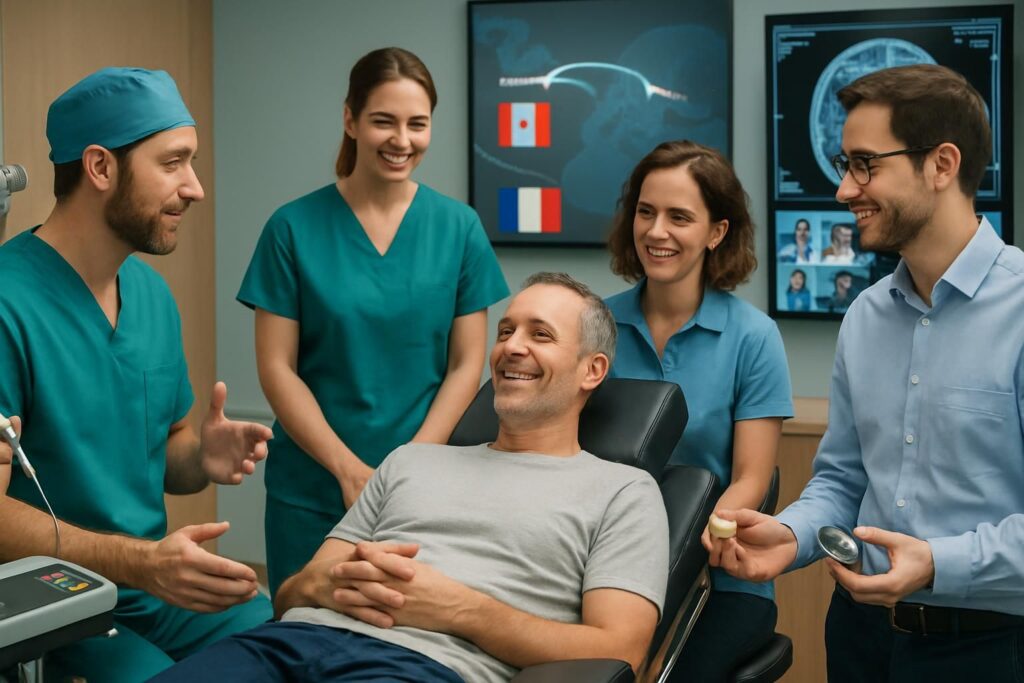
Chirurgie du cou à Montréal : préserver la souplesse post-opératoire
Dans le contexte actuel de la santé au Québec, les douleurs cervicales représentent un défi quotidien pour nombre de patients dont la mobilité et le confort sont gravement affectés. La chirurgie du cou, longtemps connue pour entraîner une rigidité post-opératoire,…
Neurovertebral decompression: a non-invasive solution
Neurovertebral decompression is a method that uses traction forces to widen the space between the vertebrae. This helps to reduce pressure on the disks and nerves. By creating negative pressure, this technique promotes rehydration and healing of the disks. It is an alternative to surgery, providing relief without invasive intervention.
IntraSPINE® à Sherbrooke : préserver la mobilité intervertébrale
Dans le domaine de la chirurgie du dos, la préservation de la mobilité rachidienne constitue un enjeu fondamental pour les patients souffrant de douleurs lombaires invalidantes. À Sherbrooke, la technologie IntraSPINE marque une avancée majeure en proposant une stabilisation dynamique…
Advantages of neurovertebral decompression
This technique has several advantages for patients suffering from disk protrusions. It helps to:
- Relieve pain: By reducing pressure on the nerves, patients can experience immediate and lasting relief.
- Improve mobility: Decompression allows for better flexibility of the disks, improving the quality of life for patients.
- Avoid surgical interventions: Many patients prefer this non-invasive approach over surgical options.
Chirurgie du dos à Trois-Rivières : soins spécialisés et personnalisés
La chirurgie du dos constitue une étape cruciale pour de nombreux patients souffrant de douleurs persistantes et invalidantes au niveau de la colonne vertébrale. À Trois-Rivières, cette réalité est au cœur des préoccupations des équipes de soins qui déploient des…
Treatment process
Treatment through neurovertebral decompression typically takes place over several sessions. During each session, the patient is placed on a special table where targeted traction forces are applied. Each session usually lasts between 30 and 45 minutes and is tailored to the needs of each individual.
Neurovertebral decompression proves to be an effective method for treating disk protrusion. Thanks to its non-invasive approach, it relieves pain and promotes the healing of intervertebral disks. For individuals suffering from this condition, it represents a significant step toward enhanced well-being.
Learn more about treatment options by visiting Decompression Neurovertebrale.
For an overview of the benefits of neurovertebral decompression for other conditions, check out This link and discover how this technique can help you.
In terms of health, it is always crucial to consult a professional to guide therapeutic choices.
Medical disclaimer: The information and advice provided on this site do not replace the opinion, diagnosis, or treatment of a healthcare professional. Please note that Dr. Sylvain Desforges, osteopath, is neither a medical doctor nor a physician, and is not specialized in a medical specialty as defined by the Collège des médecins du Québec. Manual medicine, functional medicine, and sports medicine as described on this site exclude any medical treatment or diagnosis made by a medical doctor or physician specialist. Always consult your doctor for any medical questions. For more details, please read our full Legal Notice.
- Causes of disk protrusion: Excessive pressure on the disks, aging, trauma.
- Symptoms: Low back pain, numbness, muscle weakness.
- Solution: Neurovertebral decompression to relieve pressure.
- Benefits of decompression: Non-invasive method, quick recovery.
- Mechanism of action: Creation of negative pressure, rehydration of the disks.
- Techniques used: Specialized tractors, computerized protocols.
- Treatment duration: Regular sessions over several weeks.
- Patient follow-up: Continuous assessment of symptom progression.
- Other benefits: Relief of associated pain, improvement in flexibility.
- Avoid surgical interventions: Prefer a natural approach.

Arthrose et précautions pendant la thérapie
L’arthrose de la colonne vertébrale, qu’elle soit cervicale ou lombaire, est bien plus qu’un simple inconfort articulaire. Cette pathologie entraîne souvent des douleurs persistantes, une raideur difficile à supporter et une mobilité réduite qui peuvent altérer significativement la qualité de…
Disk protrusion: a painful pathology
Disk protrusion represents a condition in which the intervertebral disk collapses and causes chronic back pain. This pathology can limit mobility and affect quality of life. Fortunately, disk tear can be effectively treated through neurovertebral decompression, a non-invasive method that relieves pressure on the disks and promotes their healing.
Chirurgie mini-invasive à Longueuil : limiter la durée d’hospitalisation
La chirurgie mini-invasive du rachis représente en 2026 une véritable avancée pour les patients de Longueuil et du Québec, à la croisée de l’innovation technologique et de l’expertise clinique internationale. Ce type d’intervention, alliant précision et réduction du trauma, offre…
Understanding disk protrusion
To address the subject of relief from pain related to disk protrusion, it is essential to understand the function of intervertebral disks. These structures, located between the vertebrae, act as shock absorbers. When the disk bulges, it can cause pain by exerting pressure on surrounding nerves. It is crucial to consult a healthcare professional for an appropriate diagnosis.
Symptoms of disk protrusion
The symptoms related to a disk protrusion can vary from person to person. Pain can manifest in different segments of the spine, causing sensations of pain, tingling, or numbness in the limbs. It is important to recognize these early signs to consider suitable treatment.
Arthrose et traction mécanique : différence avec la décompression avancée
Nombreuses sont les personnes à Montréal, Terrebonne et sur la Rive-Nord qui souffrent d’arthrose de la colonne vertébrale, une pathologie chronique génératrice de douleurs articulaires et de raideurs souvent invalidantes. Face à ces symptômes, plusieurs options thérapeutiques non invasives s’offrent…
The effectiveness of neurovertebral decompression
Neurovertebral decompression is a modern approach used to treat the pain associated with disk protrusion. By applying controlled traction to the affected area, it increases the intervertebral space, thereby reducing pressure on the disks. This process of mobilization helps to rehydrate the intervertebral disks, promoting their regeneration and flexibility.
Advantages of neurovertebral decompression
This non-invasive technique offers several advantages. First, it significantly reduces pain without resorting to surgery. Additionally, decompression sessions are painless and do not require anesthesia. Patients can also return to their daily activities after treatments, promoting a quick recovery.
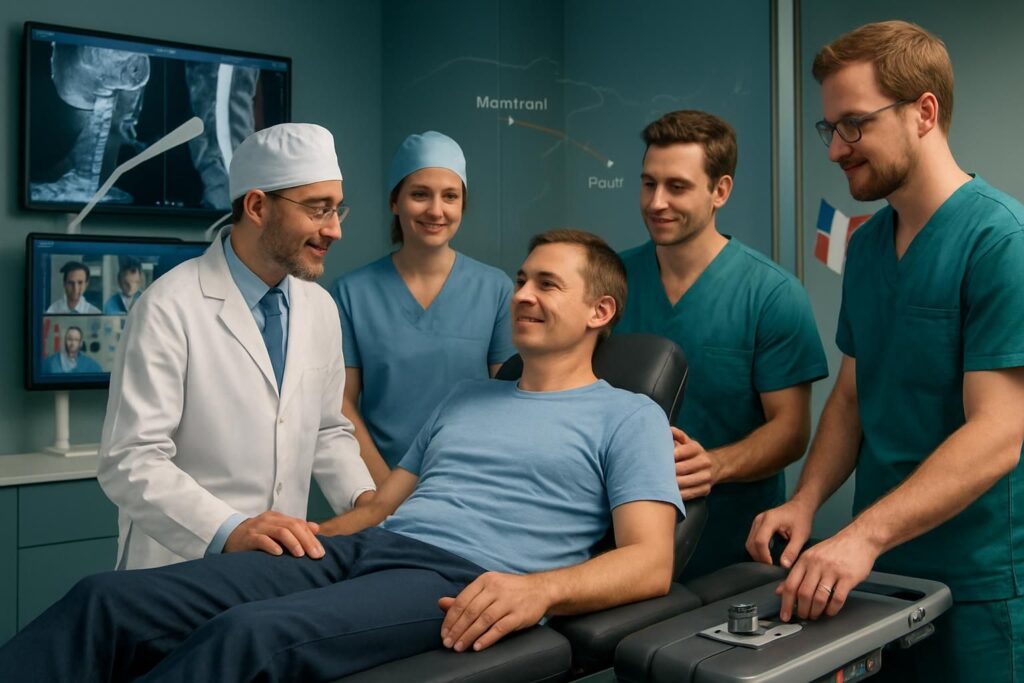
Prothèse discale à Lévis : résultats rapides et durables
Dans un contexte où la douleur dorsale affecte la qualité de vie de milliers de Québécois, la prothèse discale à Lévis apparaît comme une avancée majeure dans la chirurgie du dos. Cette intervention innovante vise à offrir des résultats rapides…
What to expect from a decompression session?
During a neurovertebral decompression session, the practitioner begins by assessing the patient’s health status, taking into account their medical history. The process then involves adjusting the treatment table to apply a gentle but targeted traction to the spine. Generally, several sessions are required to observe significant results, with notable progress often seen from the first visits.
Follow-up and prevention
After undergoing decompression treatment, it is essential to maintain regular follow-up with a healthcare professional. Specific exercises, stretches, and lifestyle recommendations may be incorporated to prevent new injuries and promote spinal health. The patient’s engagement in this process is crucial to ensure complete and lasting healing.
In summary, neurovertebral decompression proves to be an effective solution for relieving pain caused by disk protrusion. By reducing pressure on the intervertebral disks, this method offers a healthy and natural alternative to surgery while contributing to improving the quality of life for patients.
IntraSPINE® à Laval : intervention rapide et sécuritaire
Dans un contexte où les douleurs lombaires chroniques représentent un défi majeur pour de nombreux patients actifs, l’implant IntraSPINE se positionne comme une avancée décisive en orthopédie. Cette innovation technologique, désormais accessible à Laval, propose une intervention rapide et sécuritaire…
Comparison of methods for treating disk protrusion
| Methods | Description |
| Neurovertebral decompression | Non-invasive technique that restores intervertebral space and promotes healing. |
| Medication treatment | Use of analgesics to temporarily relieve pain. |
| Physiotherapy | Exercises to strengthen muscles and improve flexibility. |
| Corticosteroid injections | Injection of anti-inflammatories to reduce swelling and pain. |
| Surgery | Invasive solution to remove the damaged part of the disk, reserved for severe cases. |
| Osteopathy | Manual approach aimed at restoring the body’s balance and relieving pain. |
| Acupuncture | Use of pressure points to relieve chronic pain. |
| Posture and ergonomics | Adjustment of movement habits to reduce pressure on the spine. |

Testimonials on relief from disk protrusion through neurovertebral decompression
After months of chronic pain in the lower back, I finally decided to consult a specialist in neurovertebral decompression. To my great surprise, the results were immediate. The non-invasive technique allowed me to feel significant relief after just a few sessions. The pressure on my intervertebral disks was reduced, and I was able to resume my daily activities without pain.
I had a disk protrusion at the lumbar vertebrae for over a year. Every movement came with unbearable pain. After trying several treatments without success, I discovered vertebral decompression. The sessions were pleasant and relaxing, and after a few weeks, I felt my mobility improving. I recommend this method to anyone suffering from similar problems.
A friend recommended neurovertebral decompression for my disc herniation. I was skeptical at first, but I was pleasantly surprised by the effectiveness of the method. The gentle tractions helped restore the space between my vertebrae, significantly reducing the pain. Today, I can again play sports, which seemed impossible before.
While undergoing treatment for a disk tear, I found that the healing process was much quicker than expected. Thanks to the computerized technology of disk decompression, tracking my progress was precise and motivating. The pains that had marked my daily life are now under control and I feel significantly better.
After a sports injury, I developed a disk protrusion that caused radiating pain in my leg. A professional advised me to try vertebral decompression as a treatment option. I was impressed by the rapid effect of this non-invasive therapy. A feeling of lightness overwhelmed me, and I was able to regain an active lifestyle without fear.
The disk protrusion is a common condition that can lead to chronic pain and functional limitations. Caused by the displacement of an intervertebral disk, this condition can put pressure on surrounding nerves, resulting in uncomfortable symptoms such as back, leg, or even arm pain. Effective management of this condition is essential for improving patients’ quality of life and restoring their mobility.
One of the innovative approaches to treating disk protrusions is neurovertebral decompression. This non-invasive method seeks to relieve pain by aiming to restore intervertebral space. By creating negative pressure at the level of the disks, neurovertebral decompression stimulates the rehydration process of the intervertebral disks, promoting a return to optimal health.
Dr. Sylvain Desforges, a recognized expert in osteopathy, naturopathy, and manual medicine, is at the forefront of innovation in the health field. Founder of TAGMED clinics and the ACMA association, he has dedicated his career to managing chronic pain and integrating advanced technologies, such as vertebral decompression, laser therapy, and shockwaves. Through his research and expertise, he has developed treatment protocols tailored to the specific needs of his patients.
Neurovertebral decompression, according to Dr. Desforges, is a natural and effective solution to relieve symptoms related to disk protrusions. By gently mobilizing the intervertebral disks, this method improves the flexibility of the spine, thus reducing pain and promoting healing. Patients can benefit from personalized follow-up that allows them to monitor their health status throughout the treatment.
The stereotypes and doubts surrounding non-surgical treatments are fading as clinical studies demonstrate the effectiveness of decompression in treating disc herniations. In many cases, it has been observed that patients significantly reduce their pain after a few sessions. This approach, based on physical and biomechanical principles, confirms not only the relevance of decompression but also its crucial role in modern medicine.
Finally, Dr. Desforges is committed to providing evidence-based care to optimize the health and well-being of his patients. His approach integrates not only neurovertebral decompression but also other complementary therapies aimed at strengthening the body and improving its resilience. Through his clinics and the ACMA association, he aspires to elevate care standards regarding pain relief and to offer continued support to individuals suffering from disk protrusion.
PULSEALIGN neuromodulation technology and disk protrusion
Mechanism of action
The PULSEALIGN technology uses gentle impulse vibrations that act on type 2 mechanoreceptors located in muscles and joints. By stimulating these receptors, PULSEALIGN promotes the return of muscles to their natural state of balance and tone. This helps reduce muscle tension and improves blood circulation in the affected area, contributing to an environment conducive to healing. Over time, this gentle stimulation helps restore muscle function and reduce pain associated with disk protrusion.
Specific advantages
The non-invasive method of PULSEALIGN offers several advantages for patients with disk protrusion. First, it helps to reduce pain by improving blood circulation and relaxing muscles, thereby decreasing tensions responsible for discomfort. Secondly, it promotes improvement in muscle function and mobility, allowing individuals to regain a better quality of life. Finally, this treatment helps to accelerate recovery, giving patients the opportunity to return to their daily activities more quickly, without resorting to invasive procedures or medications.
Comparison with other treatments
Compared to other commonly used therapies for treating pain related to disk protrusion, PULSEALIGN stands out for its unique advantages. Indeed, unlike medication treatments, this technology does not present risks of undesirable side effects, and the absence of invasive procedures minimizes physical and emotional stress for the patient. Other approaches, such as physiotherapy or vertebral decompression, may also be effective. However, PULSEALIGN offers a complementary solution that can be easily integrated into a holistic treatment plan, thus optimizing results.
Case studies or testimonials
Testimonials from patients who have used PULSEALIGN report notable positive results. For example, a patient suffering from disk protrusion reported a significant reduction in pain and improvement in mobility after a few sessions. Another user stated that the technology helped him resume his favorite sports activities, which he had to abandon due to pain. These examples illustrate the potential effectiveness of PULSEALIGN for relieving pain and improving the quality of life for patients with disk protrusion.
The disk protrusion is a painful and disabling condition that can significantly affect the quality of life of individuals. The method of neurovertebral decompression has proven to be an effective treatment option, providing a non-invasive approach to alleviating symptoms associated with this condition. By creating a negative pressure effect at the level of the disks, this technique reduces pain and promotes healing.
Neurovertebral decompression works by gently mobilizing the intervertebral disks, improving their flexibility and facilitating their rehydration. By using physical and biomechanical principles, this method helps reduce the pressure exerted on the nerves, which is often the primary cause of the pain experienced by patients suffering from disk protrusions.
Moreover, vertebral decompression stands out as a modern solution, combining computerized technologies that monitor treatment progression for each patient. This allows for personalized care and better tracking of the progress made throughout the rehabilitation process.
The benefits of neurovertebral decompression include not only relief from low back pain but also a favorable influence on other conditions such as cervicalgia or arthritis. Patients experience significant improvements in their daily lives and a return to activities that were previously impossible due to their chronic pain.
Ultimately, when considering the option of neurovertebral decompression, it is essential to consult qualified professionals who have the necessary expertise to assess the relevance of this treatment concerning your specific condition. This approach offers real hope for those suffering from disk protrusions and seeking lasting relief without resorting to surgery.
FAQ
Décompression neurovertébrale
La décompression discale est-elle efficace pour les bombements discaux?
Oui, elle peut aider à réduire la pression sur les disques bombés, favorisant leur rétraction.
La décompression discale est-elle reconnue par les professionnels de santé?
Oui, elle est reconnue comme une méthode efficace pour traiter les affections de la colonne vertébrale.
Quels types de douleurs sont soulagées par la décompression discale?
Elle soulage les douleurs lombaires, cervicales et irradiantes causées par des compressions nerveuses ou des disques endommagés.
Quels sont les objectifs principaux de la décompression neurovertébrale?
Les objectifs incluent le soulagement de la douleur, l’amélioration de la mobilité et la régénération des disques.
La décompression neurovertébrale est-elle efficace pour les hernies discales?
Oui, elle est particulièrement efficace pour réduire les douleurs liées aux hernies discales.
Combien coûte un traitement complet de décompression neurovertébrale?
Le coût varie selon la clinique et la durée du traitement, mais il reste souvent moins cher qu’une chirurgie.
Quels problèmes de dos peuvent être traités par la décompression discale?
Elle peut traiter les hernies discales, les bombements discaux, la sténose spinale et d’autres douleurs chroniques du dos.
La décompression neurovertébrale peut-elle traiter les douleurs chroniques?
Oui, elle est particulièrement efficace pour les douleurs chroniques causées par des affections vertébrales.
La décompression vertébrale peut-elle améliorer la qualité de vie?
Oui, en soulageant la douleur chronique, elle permet aux patients de retrouver une meilleure qualité de vie et des activités normales.
La décompression neurovertébrale peut-elle aider après une chirurgie de la colonne?
Oui, elle peut être utilisée pour améliorer les résultats post-chirurgicaux, sous supervision médicale.
La décompression neurovertébrale peut-elle éviter une chirurgie?
Oui, pour de nombreux patients, elle offre une alternative non chirurgicale efficace.
Quels sont les signes indiquant que la décompression neurovertébrale est efficace?
Les signes incluent une réduction de la douleur, une amélioration de la mobilité et une diminution des symptômes neurologiques comme les engourdissements.
Combien de séances sont nécessaires pour un traitement de décompression?
Un programme typique comprend entre 15 et 25 séances, selon la gravité de la condition.
En quoi consiste la décompression vertébrale?
Elle consiste à étirer doucement la colonne vertébrale pour créer une pression négative, permettant au disque de se repositionner et de réduire les compressions nerveuses.
Puis-je ressentir une amélioration dès la première séance?
Certaines personnes ressentent un soulagement dès la première séance, bien que les résultats varient selon les patients.
Quels sont les bienfaits immédiats d’une séance de décompression neurovertébrale?
Un soulagement de la douleur et une sensation de relaxation sont souvent rapportés après une séance.
Quels examens permettent de déterminer l’éligibilité à la décompression?
Une consultation clinique et des examens d’imagerie comme l’IRM sont nécessaires pour déterminer l’éligibilité.
Quels sont les premiers signes indiquant un besoin de décompression discale?
Des douleurs persistantes, des engourdissements ou une perte de mobilité peuvent indiquer un besoin de traitement.
Combien de temps dure une séance de décompression discale?
Chaque séance dure généralement entre 15 et 30 minutes, selon le protocole personnalisé.
Quels types de douleurs la décompression discale peut-elle soulager?
Elle peut soulager les douleurs cervicales, lombaires et les douleurs irradiantes.
Références