

Soulager l’arthrose avec la décompression vertébrale
19 novembre 2024Soulager la brachialgie avec la décompression vertébrale
19 novembre 2024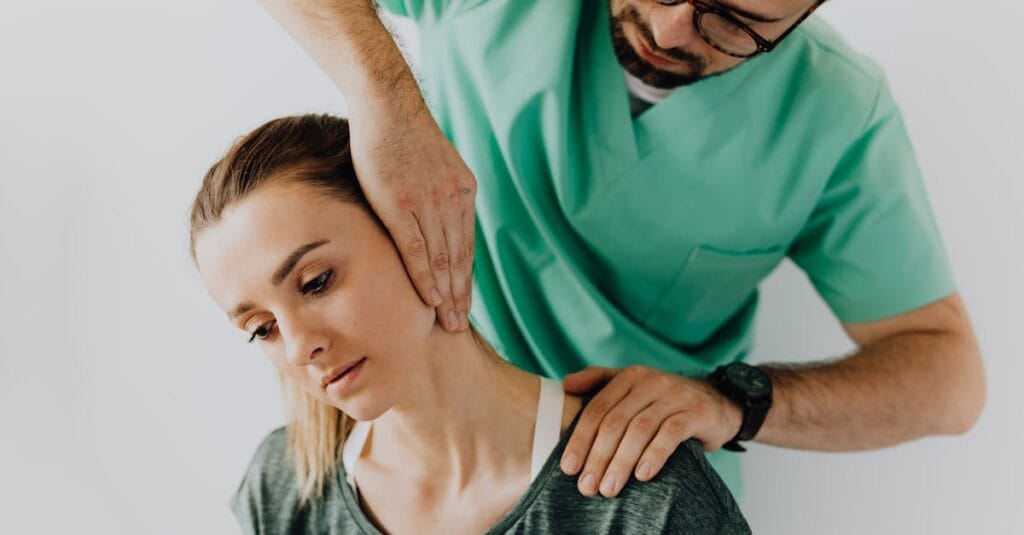
IN BRIEF Spinal decompression is a non-invasive method specifically designed to relieve arthritis and associated pain in the spine. This technique works by reducing pressure on the intervertebral discs, thus improving blood circulation and tissue regeneration. In Paris, this approach is recommended for those suffering from lumbar arthritis, providing effective results while avoiding surgical procedures and medications. The treatment, painless and quick, offers true comfort to patients, allowing them to regain mobility and quality of life. |
Neuro-spinal tear is an innovative approach to treating facet joint arthritis, offering a non-invasive method for relieving back pain. By gently manipulating the vertebrae and joints, this technique helps to release the pressure on the intervertebral discs and nerves. This promotes blood circulation and facilitates the recovery of the affected elements, contributing to the reduction of painful symptoms related to arthritis, while avoiding medication or surgical treatments. Thanks to devices such as the neuro-spinal decompression table, patients can benefit from lasting relief and improve their quality of life.

Spinal decompression is a promising method for alleviating pain caused by arthritis. By applying traction techniques to the spine, it becomes possible to reduce pressure on the intervertebral discs and on the nerves surrounding the affected area. This non-invasive treatment helps promote blood circulation and improve mobility, thereby providing significant relief to individuals suffering from arthritis.
Understanding Arthritis
Arthritis is a degenerative joint condition that affects millions of people. It manifests as pain, stiffness, and reduced mobility. The lumbar joints are particularly affected, causing bothersome symptoms. Spinal decompression thus presents itself as a beneficial therapeutic option for managing associated pain.
Arthrose et suivi professionnel à Terrebonne
Souffrir d’arthrose de la colonne vertébrale est une réalité partagée par de nombreux résidents de Terrebonne et de Montréal. Cette affection se manifeste principalement par des douleurs chroniques, des raideurs et une limitation progressive des mouvements. Face à ces symptômes,…
The Mechanisms of Spinal Decompression
Spinal decompression uses a series of gentle and controlled traction techniques to stretch the spine. This helps reduce pressure on the intervertebral discs and relieve nerve tension. Through this process, it also promotes hydration and regeneration of the discs, which is essential in treating arthritis.
Traitement arthrose facettaire à Terrebonne
Souffrir d’arthrose facettaire peut transformer chaque mouvement en un défi quotidien, imposant douleur et rigidité à votre quotidien. À Terrebonne, cette affection vertébrale touche un nombre croissant de personnes, impactant leur mobilité et leur qualité de vie. La Clinique TAGMED,…
The Benefits of Neuro-spinal Decompression
Treatment by neuro-spinal decompression offers several advantages. First, it is a non-surgical method that allows for the treatment of spinal problems with few or no side effects. Furthermore, this technique does not require medications, thus reducing the risk of adverse effects. Finally, many patients report an improvement in their quality of life and a decrease in their pain after several sessions.
Décompression pour arthrose disponible près de Mascouche
La décompression neurovertébrale s’impose aujourd’hui comme une option privilégiée pour les personnes souffrant d’arthrose de la colonne vertébrale aux alentours de Mascouche. Cette approche non chirurgicale utilise des technologies avancées pour offrir un soulagement significatif des douleurs, réduire la raideur…
Who Can Benefit from This Treatment?
Spinal decompression is suitable for a wide range of patients, including those with arthritis, herniated discs, or chronic lower back pain. However, it is essential to consult a healthcare professional to evaluate the relevance of this treatment based on each individual’s specific symptoms.
Spinal decompression offers a promising approach to relieve arthritis and improve patients’ well-being. It can help reduce pain while promoting better mobility. If you suffer from arthritis, consider discussing this option with your doctor to explore whether it is a suitable solution for your needs.
Medical disclaimer: The information and advice provided on this site do not replace the opinion, diagnosis, or treatment of a healthcare professional. Please note that Dr. Sylvain Desforges, osteopath, is neither a medical doctor nor a physician and is not a specialist in a medical specialty as defined by the Collège des médecins du Québec. Manual medicine, functional medicine, and sports medicine as described on this site exclude any treatment or medical diagnosis made by a doctor or a specialist physician. Always consult your physician for any medical questions. For more details, please read our full Legal Notice.
- Technique : Neuro-spinal decompression
- Main objective : Relief of arthritis
- Non-invasive : No surgery required
- Application : Gentle traction on the spine
- Effect : Reduction of pressure on discs and nerves
- Results : Improvement in arthritis symptoms
- Tool : SpineMED decompression table
- Advantage : Alternative to medications
- Target area : Lumbar arthritis
- Approach : Natural and holistic treatment

Arthritis is a common, often debilitating condition that affects many people, especially the elderly. Spinal decompression is a non-invasive method that proves effective in providing relief to patients suffering from arthritis, particularly facet and lumbar arthritis. In this article, we will explore how this technique can improve patients’ conditions, offering them an alternative to traditional medical treatments.
Arthrose et service haut de gamme à Montréal
Vivre avec l’arthrose de la colonne vertébrale peut transformer chaque geste quotidien en un défi. Que vous ressentiez une raideur cervicale gênante ou des douleurs lombaires persistantes, ces symptômes affectent profondément votre mobilité et votre qualité de vie. À Montréal…
What is Spinal Decompression?
Spinal decompression is a therapeutic technique aimed at reducing the pressure exerted on the intervertebral discs and spinal nerves. It uses a system of gentle traction to stretch the spine, allowing the vertebrae to realign and alleviate pain. This method is particularly beneficial for those suffering from arthritis as it promotes blood circulation and hydration of the intervertebral discs, thereby helping to slow down the effects of arthritis.
Prothèse discale cervicale à Québec : solution durable pour douleurs cervicales
Dans un contexte où les douleurs cervicales affectent une grande partie de la population québécoise, la recherche de solutions durables et efficaces est une priorité. Face à des alternatives chirurgicales traditionnelles souvent synonymes de douleurs prolongées et d’une récupération laborieuse,…
Relief from Arthritis Symptoms
The symptoms of arthritis, such as pain, stiffness, and limited movement, can significantly impact patients’ quality of life. Thanks to neuro-spinal decompression, it is possible to alleviate these discomforts. By gently realigning the spine, this technique helps reduce pressure on the affected joints, thus decreasing inflammation and pain. Practitioners may also observe an improvement in the patient’s mobility, an essential aspect for maintaining an active lifestyle.
Où faire traiter l’arthrose par décompression à Montréal
En plein cœur de Montréal et de Terrebonne, l’arthrose de la colonne vertébrale représente une source fréquente de douleurs et de limitations fonctionnelles pour de nombreux patients. Cette affection dégénérative, souvent associée au vieillissement, trouve aujourd’hui des solutions novatrices et…
The Benefits of Non-Invasive Decompression
Unlike invasive treatments, spinal decompression offers several advantages. First, it does not require surgical interventions or anesthesia, making it accessible to a larger number of patients, including those who may be reluctant to undergo invasive treatments. In addition, this method has a low risk of side effects. By gently manipulating the vertebrae and joints, decompression promotes the body’s natural regeneration, allowing for a faster and more effective recovery.
Arthrose et satisfaction des patients mesurée par enquête
En bref : L’arthrose de la colonne vertébrale impacte fortement la qualité de vie par la douleur articulaire et les limitations fonctionnelles.Des enquêtes récentes montrent que la satisfaction des patients dépend largement de la réduction des douleurs et de l’amélioration…
Treatment Options Available
Neuro-spinal decompression can be performed using specialized tables, such as the SpineMED table, designed to treat conditions such as herniated discs and arthritis. These tables apply a series of controlled tractions and releases, helping to reduce the symptoms of arthritis while improving the patient’s overall well-being. Decompression sessions can be integrated into a comprehensive treatment program that also includes strengthening exercises and lifestyle advice.
In conclusion, spinal decompression represents a promising alternative for relieving arthritis symptoms. It not only addresses pain but also improves mobility and the overall comfort of the patient. If you suffer from arthritis, it is essential to consider this non-invasive approach and discuss it with a qualified healthcare professional.
| Comparison Axis | Description |
| Technique | Non-invasive neuro-spinal decompression to relieve pressure on the vertebrae. |
| Mechanism of Action | Gentle manipulation of the vertebrae to release tensions and reduce pain. |
| Target Audience | Patients suffering from lumbar arthritis and other chronic back pain. |
| Advantages | Natural solution without medications or surgical intervention. |
| Technology | Use of electronic decompression tables for targeted treatment. |
| Results | Improvement in symptoms and quality of life for patients. |
| Duration of Treatment | Regular sessions recommended for optimal results. |
| Cost | Variable depending on the practice and region, often affordable. |
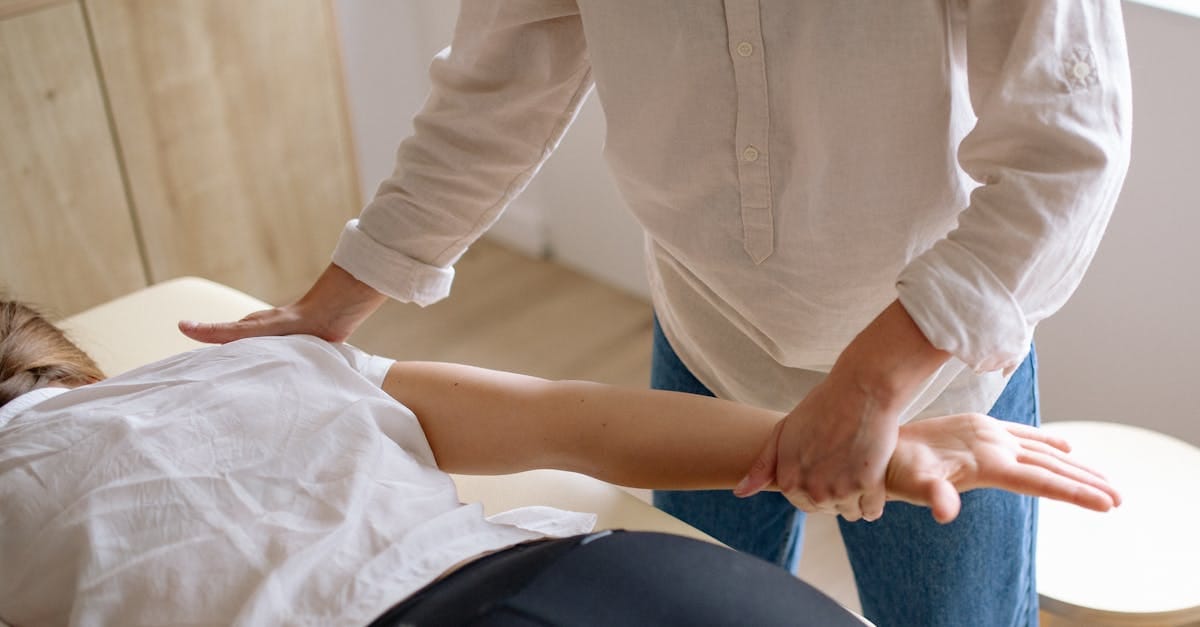
Many patients complain of discomfort and limitations caused by arthritis, especially in the lumbar region. They seek effective and non-invasive solutions to improve their quality of life. Neuro-spinal decompression, a relatively recent treatment technique, proves to be a promising option for these individuals.
A few months ago, a patient named Claire decided to try spinal decompression after years of persistent pain due to arthritis. She says: « I often felt limited in my daily activities, but since I started the treatment, I’ve noticed a significant reduction in my pain. The sessions have allowed me to regain some mobility, and I can finally enjoy my walks again. »
Another patient, Jacques, also shared his experience: « At first, I was skeptical about the effectiveness of decompression. However, after several sessions, I really felt a relief from my arthritis symptoms. The pressure on my discs has been reduced, and I’ve been able to stop relying on pain medications. »
The benefits of neuro-spinal decompression are not limited to pain relief alone. Many patients also report an overall improvement in their well-being. Marie, for instance, noted: « Not only did I notice a reduction in my lower back pain, but I also experienced better sleep and less emotional stress. Each session is a real moment for me, and I come out revitalized. »
For those suffering from facet joint arthritis, decompression offers particular hope. Practitioners use gentle techniques to manipulate the vertebrae and release tension. This helps relieve pressure on the nerves and discs, facilitating a return to an active life. It is common to hear testimonials from patients who, after treatment, regain the ability to engage in physical activities they thought they would have to give up forever.
Testimonials regarding neuro-spinal decompression continue to multiply, illustrating its effectiveness against often debilitating ailments. An increasing number of patients find relief in their treatment journey and begin to envision a future with less pain and more possibilities.
Arthritis, particularly facet joint arthritis, is a degenerative joint condition that can cause significant chronic pain and dysfunction in daily movements. This condition can lead to considerable limitations in the quality of life of those affected. In this context, spinal decompression poses a promising non-invasive solution, allowing for symptom relief and healing facilitation.
Spinal decompression is a technique that involves relieving the pressure exerted on the vertebrae and intervertebral discs. By carefully manipulating the vertebrae and joints, it is possible to relieve tension on the nerves and discs. This can have a beneficial effect, especially for individuals suffering from arthritis, as this method promotes better blood circulation and hydration of the intervertebral discs.
Practitioners, such as Dr. Sylvain Desforges, a recognized expert in osteopathy, naturopathy, and manual medicine, implement advanced techniques. As the founding president of TAGMED clinics and the ACMA association, he is dedicated to innovation in healthcare. His specialty lies in chronic pain management, where he adopts a holistic approach by integrating modern technologies such as spinal decompression, laser therapy, and shockwave treatments.
Within his practice, Dr. Desforges aims to provide evidence-based care. His priority is to optimize the health and well-being of his patients through personalized treatments. Through neuro-spinal decompression, he often manages to reduce pain associated with arthritis, allowing patients to regain more freedom in their movements and an improved quality of life.
The decision to opt for spinal decompression may be made after a thorough consultation, where each aspect of the patient’s physical condition is evaluated. Subsequently, a series of decompression sessions may be recommended to target painful areas. The observed results often include pain reduction and improved joint function, which is especially beneficial for older individuals or those with limited physical activity due to arthritis-related pain.
In conclusion, spinal decompression represents a proactive approach to combatting the debilitating effects of arthritis. Being less invasive than more aggressive alternatives like surgery, it serves as a first line of defense for those seeking to relieve their pain and regain their well-being. Whether to improve mobility or simply to reduce chronic pain, support from experts like Dr. Desforges offers a new glimmer of hope for those affected by this condition.

Chirurgie du cou à Montréal : préserver la souplesse post-opératoire
Dans le contexte actuel de la santé au Québec, les douleurs cervicales représentent un défi quotidien pour nombre de patients dont la mobilité et le confort sont gravement affectés. La chirurgie du cou, longtemps connue pour entraîner une rigidité post-opératoire,…
Relieving Arthritis with Pulse Align
Mechanism of Action
The technology of Pulse Align is based on an innovative mechanism that uses gentle impulse vibrations to stimulate type 2 mechanoreceptors present in muscles and joints. These vibrations serve to reinforce the return of muscles to their natural state of balance and tone. Consequently, this helps reduce accumulated tensions and promotes muscle relaxation, creating a favorable environment for healing. This approach helps alleviate the painful symptoms of arthritis and encourages optimal functioning of the spine, particularly during spinal decompression treatments.
Specific Advantages
The advantages of Pulse Align are numerous and particularly relevant for patients suffering from arthritis. This non-invasive approach helps reduce pain by inducing muscle relaxation mechanisms, thereby facilitating the improvement of muscle function and mobility. Furthermore, the use of this technology can promote accelerated recovery from painful episodes related to arthritis, allowing patients to quickly resume their daily activities. This treatment integrates seamlessly into a multidisciplinary care framework surrounding spinal decompression, ensuring a holistic approach.
Comparison with Other Treatments
Compared to other therapies commonly used to treat arthritis, such as anti-inflammatories, corticosteroid injections, or even surgical interventions, Pulse Align stands out due to the absence of medications and invasive procedures. This unique characteristic minimizes the risks of side effects and makes treatment accessible to a larger number of people. Additionally, unlike traditional methods that often focus solely on pain without addressing the underlying cause, Pulse Align specifically targets muscle balance and joint function, offering an additional therapeutic benefit for patients.
Case Studies or Testimonials
While specific case studies are still being published, numerous patient testimonials report significant improvements in their arthritis symptoms after incorporating Pulse Align into their treatment program. Users have noted a notable reduction in pain, improvement in mobility, and a general sense of well-being after a few sessions. These positive results highlight the potential of Pulse Align as an effective tool in the fight against pain related to arthritis.
Neuro-spinal decompression emerges as a promising approach to relieve arthritis, particularly in the lumbar region. By addressing the root of the problem, this non-invasive method alleviates the pressure exerted on the intervertebral discs and nerves, thus offering lasting comfort to those who suffer. This opens a new field of hope for many patients, allowing them to regain a lost quality of life.
This treatment relies on gentle techniques, which involve carefully manipulating the vertebrae and joints. In doing so, neuro-spinal decompression helps reduce pain associated with arthritis by promoting optimal blood circulation and regenerating the adjacent tissues. Professionals trained in this method use specialized tables, such as the SpineMED table, which facilitates these processes and specifically targets the affected areas.
The effectiveness of neuro-spinal decompression has been corroborated by numerous patient reviews, which report a significant improvement in their symptoms. In search of alternatives to medications and surgery, an increasing number of people are turning to this natural solution, a choice driven by its preventive and non-invasive approach.
Finally, it is important to note that neuro-spinal decompression is not limited to treating arthritis. It opens up perspectives for other spinal conditions, such as herniated discs and chronic back pain. For those seeking a sustainable solution, neuro-spinal decompression represents a viable and holistic option, thus fostering a healthy musculoskeletal system.
FAQ
Décompression neurovertébrale
La décompression neurovertébrale est-elle efficace pour les hernies discales?
Oui, elle est particulièrement efficace pour réduire les douleurs liées aux hernies discales.
Puis-je ressentir une amélioration dès la première séance?
Certaines personnes ressentent un soulagement dès la première séance, bien que les résultats varient selon les patients.
La décompression neurovertébrale peut-elle traiter plusieurs niveaux de la colonne?
Oui, elle peut être ajustée pour cibler plusieurs zones en fonction des besoins du patient.
Puis-je pratiquer des activités sportives pendant le traitement?
Oui, mais il est important de consulter un professionnel pour adapter les activités selon votre condition.
Quels sont les résultats attendus après un traitement de décompression vertébrale?
Les patients rapportent généralement une diminution de la douleur et une amélioration de leur qualité de vie.
Quels types de douleurs sont soulagées par la décompression discale?
Elle soulage les douleurs lombaires, cervicales et irradiantes causées par des compressions nerveuses ou des disques endommagés.
Quels sont les risques de la décompression neurovertébrale?
Les risques sont faibles, mais certains patients peuvent ressentir une légère raideur temporaire après les séances.
La décompression vertébrale est-elle adaptée aux personnes âgées?
Oui, elle est sûre et efficace pour les personnes âgées souffrant de douleurs chroniques de la colonne vertébrale.
La décompression vertébrale peut-elle améliorer la qualité de vie?
Oui, en soulageant la douleur chronique, elle permet aux patients de retrouver une meilleure qualité de vie et des activités normales.
La décompression neurovertébrale peut-elle traiter les douleurs chroniques?
Oui, elle est particulièrement efficace pour les douleurs chroniques causées par des affections vertébrales.
Qu’est-ce que la décompression neurovertébrale?
La décompression neurovertébrale est une thérapie non chirurgicale visant à réduire la pression sur les disques intervertébraux et les nerfs pour soulager la douleur.Quels facteurs aggravent les conditions traitées par la décompression vertébrale?
Les mauvaises postures, les mouvements répétitifs et le stress sur la colonne peuvent aggraver ces conditions.
La décompression vertébrale peut-elle être utilisée pour la sténose spinale?
Oui, elle peut soulager les symptômes de la sténose spinale en réduisant la compression nerveuse.
En quoi consiste la décompression vertébrale?
Elle consiste à étirer doucement la colonne vertébrale pour créer une pression négative, permettant au disque de se repositionner et de réduire les compressions nerveuses.
Quels sont les bienfaits pour les sportifs utilisant la décompression neurovertébrale?
Elle aide à réduire la douleur et à accélérer la récupération après une blessure liée à la colonne.
La décompression neurovertébrale peut-elle prévenir une intervention chirurgicale?
Oui, elle est souvent utilisée comme alternative non chirurgicale pour traiter les affections de la colonne.
La décompression neurovertébrale peut-elle aider après une chirurgie de la colonne?
Oui, elle peut être utilisée pour améliorer les résultats post-chirurgicaux, sous supervision médicale.
Combien de temps les effets d’un traitement de décompression vertébrale durent-ils?
Les effets varient, mais une amélioration durable est souvent constatée avec un suivi approprié.
La décompression discale peut-elle traiter les douleurs irradiantes?
Oui, elle est efficace pour réduire les douleurs irradiantes causées par des compressions nerveuses.
La décompression discale est-elle adaptée aux personnes ayant des implants dans la colonne?
Cela dépend des implants; une évaluation par un professionnel de santé est nécessaire pour déterminer l’adaptabilité.
Références