
Sténose foraminale : retrouvez votre mobilité
21 novembre 2024Lumbago: say goodbye to lower back pain
21 novembre 2024IN BRIEF Foraminal stenosis is a condition characterized by the narrowing of openings between the vertebrae, which can cause pain, tingling, and loss of strength. Through neurovertebral decompression treatments, it is possible to regain your mobility while reducing discomfort. Accessible in Montreal, this non-surgical approach aims to relieve symptoms associated with foraminal stenosis, thus allowing for better well-being and a positive outcome for patients. |
Foraminal stenosis is a narrowing of the foramina in the spine, often caused by degenerative factors. This condition can lead to cervical pain, sensations of tingling, and numbness in the arms and hands, as well as a loss of muscle strength. Symptoms typically occur in the neck and can radiate to the shoulders.
To prevent the worsening of foraminal stenosis, it is essential to adopt a proactive approach to your spinal health. New therapies such as neurovertebral decompression offer non-surgical solutions to relieve pain and improve mobility. By integrating suitable treatment strategies, it is possible to regain an active and pain-free lifestyle.
Foraminal stenosis is a common condition that impacts the quality of life for many individuals. It is characterized by narrowing of the spaces through which nerves exit the spinal column. This phenomenon leads to various symptoms, including neck and shoulder pain, as well as numbness in the arms and hands. This article explores the causes, symptoms, and available treatments for this condition.
Understanding Foraminal Stenosis
Foraminal stenosis refers to the reduction of the diameter of one or more foramina in the cervical or lumbar vertebrae. This narrowing can cause nerve compression, leading to pain and other neurological disorders. Causes may include age-related wear, injuries, or degenerative diseases.
Arthrose et satisfaction des patients mesurée par enquête
En bref : L’arthrose de la colonne vertébrale impacte fortement la qualité de vie par la douleur articulaire et les limitations fonctionnelles.Des enquêtes récentes montrent que la satisfaction des patients dépend largement de la réduction des douleurs et de l’amélioration…
Associated Symptoms
Individuals suffering from foraminal stenosis often report pain in the neck and shoulders, as well as sensations of numbness and tingling in the arms. Some may experience a loss of muscle strength in the upper limbs. These symptoms can vary in intensity and worsen with certain activities or positions.
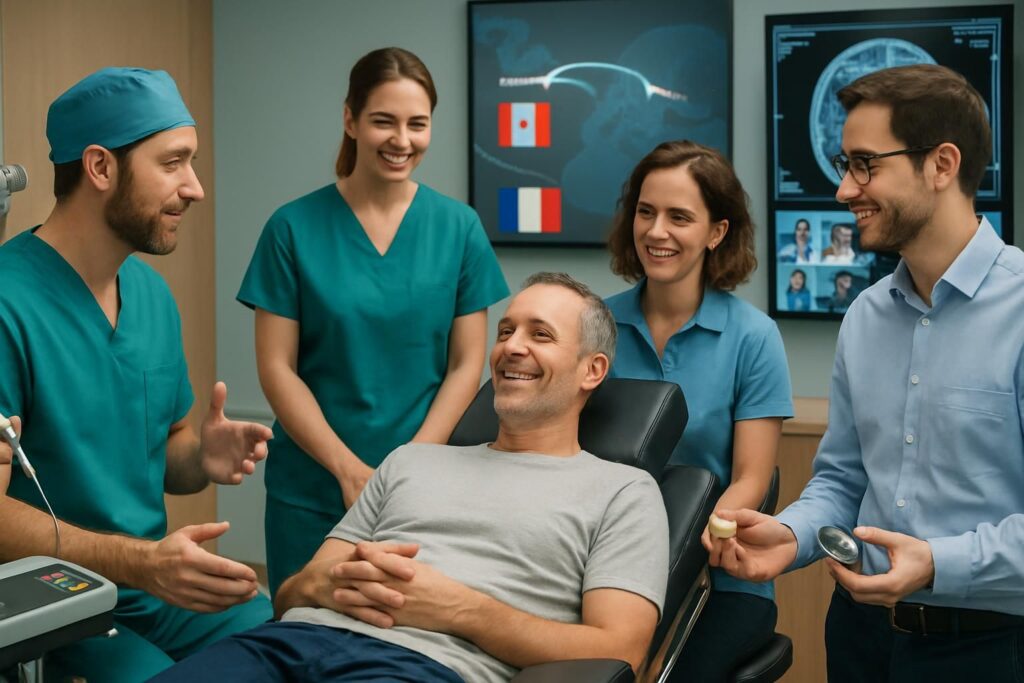
Chirurgie du cou à Montréal : préserver la souplesse post-opératoire
Dans le contexte actuel de la santé au Québec, les douleurs cervicales représentent un défi quotidien pour nombre de patients dont la mobilité et le confort sont gravement affectés. La chirurgie du cou, longtemps connue pour entraîner une rigidité post-opératoire,…
Diagnosis of Foraminal Stenosis
Early diagnosis is essential for managing foraminal stenosis. Healthcare professionals can use imaging tests such as MRI or X-rays to visualize the condition of the foramina and determine the presence of nerve compression. This diagnosis will help guide the best treatment plan suited to the patient.
IntraSPINE® à Sherbrooke : préserver la mobilité intervertébrale
Dans le domaine de la chirurgie du dos, la préservation de la mobilité rachidienne constitue un enjeu fondamental pour les patients souffrant de douleurs lombaires invalidantes. À Sherbrooke, la technologie IntraSPINE marque une avancée majeure en proposant une stabilisation dynamique…
Treatment Options
Treatment for foraminal stenosis can vary depending on the severity of the condition and the symptoms experienced. Non-surgical approaches, such as neurovertebral decompression, can provide effective relief. This technique aims to reduce pressure on the nerves without resorting to surgery. Other options include medications to manage pain and inflammation.
Chirurgie du dos à Trois-Rivières : soins spécialisés et personnalisés
La chirurgie du dos constitue une étape cruciale pour de nombreux patients souffrant de douleurs persistantes et invalidantes au niveau de la colonne vertébrale. À Trois-Rivières, cette réalité est au cœur des préoccupations des équipes de soins qui déploient des…
Importance of Prevention
Taking care of your spine is crucial for preventing the development of foraminal stenosis. Habits such as maintaining good posture, incorporating gentle movements, and avoiding excessive strain can contribute to the health of your back. Listening to your body and consulting a healthcare professional at the first sign of symptoms is also essential.
It is important to work with a qualified therapist to develop a tailored care plan. To learn more about neurovertebral decompression and other available techniques, visit Neurovertebral Decompression.
For additional information on foraminal stenosis, also consult Clinique Tag Med and Deuxième Avis.
For more details on back pain, read about Lumbago and Arthrosis.
Medical disclaimer: The information and advice provided on this site do not replace the opinion, diagnosis, or treatment of a healthcare professional. Please note that Dr. Sylvain Desforges, osteopath, is neither a medical doctor nor a physician, and is not specialized in a medical specialty as defined by the College of Physicians of Quebec. Manual medicine, functional medicine, and sports medicine as described on this site exclude any treatment or medical diagnosis made by a physician or medical specialist. Always consult your doctor for any medical questions. For more details, please read our complete Legal Notice.
- Common Symptoms: Cervical pain
- Common Symptoms: Radiating pain to the arms
- Common Symptoms: Numbness in the hands
- Impact on Mobility: Loss of muscle strength
- Risk Factors: Advanced age
- Risk Factors: Poor posture
- Prevention Strategies: Regular exercise
- Prevention Strategies: Maintaining a healthy weight
- Recommended Therapies: Neurovertebral decompression
- Recommended Therapies: Strengthening exercises
Foraminal stenosis is a common disorder resulting from the narrowing of the spaces through which the nerves emerge from the spinal column. This condition can lead to cervical pain, sensations of numbness, tingling, or a loss of strength in the upper limbs. It is essential to understand the symptoms and to implement preventive and therapeutic measures to improve your quality of life. This article offers practical recommendations for effectively managing and treating foraminal stenosis.
Arthrose et précautions pendant la thérapie
L’arthrose de la colonne vertébrale, qu’elle soit cervicale ou lombaire, est bien plus qu’un simple inconfort articulaire. Cette pathologie entraîne souvent des douleurs persistantes, une raideur difficile à supporter et une mobilité réduite qui peuvent altérer significativement la qualité de…
Understanding Foraminal Stenosis
The term foraminal stenosis refers to a reduction in the diameter of the foramina through which spinal nerves pass. This narrowing may be caused by factors such as natural wear, injuries, or structural anomalies. It can cause neck pain, radiating sensations in the arms and shoulders, and symptoms of muscle weakness.
Common Symptoms
Individuals with foraminal stenosis often report a range of varying symptoms. Among the most common are:
- Cervical pain that may radiate to the shoulders and arms.
- Paresthesias such as numbness and tingling.
- Loss of muscle strength in the upper limbs, making certain activities difficult.
Chirurgie mini-invasive à Longueuil : limiter la durée d’hospitalisation
La chirurgie mini-invasive du rachis représente en 2026 une véritable avancée pour les patients de Longueuil et du Québec, à la croisée de l’innovation technologique et de l’expertise clinique internationale. Ce type d’intervention, alliant précision et réduction du trauma, offre…
Preventive Measures to Adopt
Adopting preventive practices can greatly help reduce the incidence of foraminal stenosis. Here are some recommendations:
Maintain a Healthy Posture
It is crucial to pay attention to your posture, especially if you spend a lot of time sitting. Use ergonomic chairs and keep your screen at eye level to avoid strain on your neck and back.
Practice Regular Exercises
Gentle exercises, such as yoga or stretching, help maintain flexibility and improve muscle strength. Targeted movements can help relieve accumulated tensions and prevent complications.
Arthrose et traction mécanique : différence avec la décompression avancée
Nombreuses sont les personnes à Montréal, Terrebonne et sur la Rive-Nord qui souffrent d’arthrose de la colonne vertébrale, une pathologie chronique génératrice de douleurs articulaires et de raideurs souvent invalidantes. Face à ces symptômes, plusieurs options thérapeutiques non invasives s’offrent…
Treatment Options
If pain persists despite preventive measures, several treatments are available:
Neurovertebral Decompression
Neurovertebral decompression is an effective non-surgical alternative that helps relieve pain related to foraminal stenosis by freeing compressed nerves. This method can improve blood circulation and promote recovery.
Physical Therapy
A physical therapist can design a rehabilitation program tailored to your specific needs. Sessions may include strengthening exercises and manipulation techniques to restore better mobility.
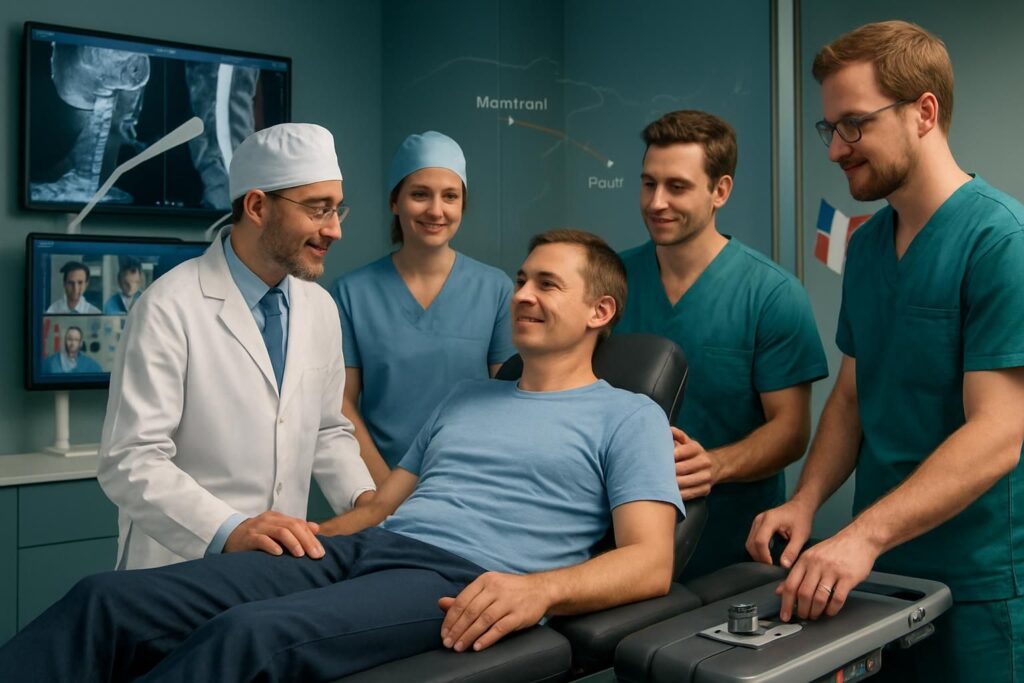
Prothèse discale à Lévis : résultats rapides et durables
Dans un contexte où la douleur dorsale affecte la qualité de vie de milliers de Québécois, la prothèse discale à Lévis apparaît comme une avancée majeure dans la chirurgie du dos. Cette intervention innovante vise à offrir des résultats rapides…
Avoid Aggravating Movements
It is essential to identify movements or activities that aggravate your symptoms. Limit heavy lifting and avoid prolonged positions that create tension in the cervical area.
Self-Management and Confidence
Managing foraminal stenosis is also about mental well-being. Adopt relaxation practices such as meditation and visualize your journey toward improvement. Stay informed and involved in your healing process to quickly regain your mobility.
| Aspect | Description |
| Symptoms | Cervical pain, numbness in the arms. |
| Causes | Reduction in foraminal diameter, vertebral wear. |
| Consequences | Loss of muscle strength, movement difficulties. |
| Treatments | Physical therapies, neurovertebral decompression. |
| Prevention | Regular exercises, spinal care. |
| Evolution | May worsen without appropriate treatment. |
| Impact on Daily Life | Limitations in usual physical activities. |
| Medical Consultation | Specialized assessment recommended at the first symptoms. |
Testimonials on Foraminal Stenosis: Regain Your Mobility
Foraminal stenosis had a significant impact on my quality of life. For months, I suffered from painful numbness and tingling in my arms and hands. After consulting a specialist, I started a neurovertebral decompression program. Over time, I noticed a remarkable improvement in my mobility.
Before receiving treatment, I experienced constant pain in my neck and shoulders, preventing me from even engaging in certain daily activities. Thanks to neurovertebral decompression, not only did my pain decrease, but I also regained my muscle strength. I can now enjoy walks without fear of pain.
The period preceding my therapy was frustrating. I could no longer play with my children due to a loss of tone in my upper limbs. After a few sessions, I noticed that my arms were less restricted, and the dysesthesias started to vanish. This development was a real turning point for me.
Following foraminal stenosis, I experienced a daily discomfort that affected my social relationships. Thanks to targeted treatment, I managed to regain not only my mobility but also my confidence. Participating in family activities has become a pleasure again.
My recommendation for those suffering from foraminal stenosis is to act quickly. Don’t let pain take over. Neurovertebral decompression therapy changed my life, and I am convinced it can help others in the same situation.
Foraminal stenosis is a condition characterized by narrowing of the spaces through which the nerves emerge from the spinal column, causing pressure on the nerve roots. This pathology, often linked to the aging process, can have significant consequences on the quality of life for those affected. It can manifest as cervical pain, numbness, tingling in the arms, and even a loss of muscle strength. Identifying and addressing this issue is essential for regaining optimal mobility.
The diagnosis of foraminal stenosis involves a thorough medical evaluation. Imaging tests, such as MRI or CT scans, are often used to visualize the degree of narrowing of the foramina. Symptoms can vary depending on the location of the stenosis; for example, cervical stenosis may cause radiating pain in the arms, while lumbar stenosis might lead to pain in the lower back. It is important for patients to consult a healthcare professional at the first sign of these symptoms.
Treatment for foraminal stenosis may include non-surgical approaches such as neurovertebral decompression, which has shown promising results in managing pain related to this condition. This type of therapy aims to decrease the pressure exerted on the nerve structures by increasing the living space around the nerves, thus allowing for significant improvement in symptoms. Other treatment modalities may also be considered, such as physical therapy, analgesic injections, and functional rehabilitation.
A holistic approach is often recommended to manage this condition. Healthcare professionals, such as Dr. Sylvain Desforges, an expert in osteopathy, naturopathy, and manual medicine, are dedicated to innovation in the health field. He is the founding president of TAGMED clinics and the ACMA association and works to integrate advanced technologies into the treatment of chronic pain. His approach is based on evidence-based medicine, ensuring optimized care for the health and well-being of his patients.
Dr. Desforges offers various services, including laser therapy and shockwave therapy, which can also help relieve pain associated with foraminal stenosis. By integrating these modern techniques into his approach, he aims to provide effective and lasting solutions for individuals affected by this condition. A comprehensive assessment and personalized follow-up are crucial for allowing patients to regain their mobility and quality of life.
Prevention also plays an essential role in managing foraminal stenosis. By adopting a healthy lifestyle, including regular exercise, maintaining good posture, and relaxation techniques, individuals can decrease the risks and progression of this pathology. Awareness of symptoms and access to appropriate treatments are indispensable for those wishing to regain an active and fulfilling life.
PULSEALIGN and Foraminal Stenosis: Regain Your Mobility
Action Mechanism
PULSEALIGN works through gentle impulse vibrations that target type 2 mechanoreceptors present in the muscles and connective tissues. These vibrations stimulate sensory receptors, provoking a neuromuscular response that helps muscles regain their natural state of balance and tone. By restoring this balance, PULSEALIGN contributes to the reduction of tension and pain associated with conditions such as foraminal stenosis, allowing better muscle function.
Specific Benefits
The use of PULSEALIGN offers numerous non-invasive benefits. First of all, this technology can significantly reduce pain experienced by patients suffering from foraminal stenosis. Through neuromuscular stimulation, it is possible to improve muscle function and mobility, thus facilitating daily movements. Furthermore, this technique encourages a faster recovery, reducing the duration of symptoms and allowing individuals to resume their normal activities with confidence.
Comparison with Other Treatments
Compared to other commonly used therapies for treating foraminal stenosis, such as anti-inflammatory medications or surgical interventions, PULSEALIGN stands out for its gentle and non-invasive approach. While medications may lead to undesirable side effects and surgical procedures carry risks, PULSEALIGN offers an effective solution for improving patients’ conditions while minimizing the risks associated with more invasive treatments. The ability to provide treatment without relying on medications is a significant advantage for many patients.
Case Studies or Testimonials
Many testimonials from patients who have used PULSEALIGN reveal positive results. For example, a patient suffering from foraminal stenosis reported that after several treatment sessions with this technology, he observed a significant reduction in pain and an improvement in his mobility. Others expressed satisfaction with the simplicity and effectiveness of the procedure, highlighting the non-invasive factor as a key point that facilitated their treatment experience. These testimonials clearly demonstrate the effectiveness of PULSEALIGN in helping individuals regain an active and pain-free life.
Foraminal stenosis manifests as a narrowing of the openings in the spine through which the nerves pass. This condition can lead to pain in the neck, shoulders, and arms, as well as a sensation of numbness or tingling. For many, these symptoms can detract from quality of life and limit mobility. However, treatment options exist that can improve symptoms and help recover better mobility.
It is crucial to recognize the symptoms associated with foraminal stenosis, such as cervical pain and muscle strength disorders. If these symptoms manifest, it is recommended to consult a healthcare professional for an accurate diagnosis and an appropriate treatment plan. This step is essential to prevent progression to more severe complications.
Fortunately, various non-invasive treatments, such as neurovertebral decompression, can be considered to relieve pain related to foraminal stenosis. This method helps to reduce the pressure exerted on the nerves while promoting good blood circulation in the affected area. In addition to decompression, specific exercises may be recommended to strengthen neck muscles and improve posture.
By incorporating lifestyle changes, such as regular exercise and relaxation practices, it is possible to prevent the worsening of symptoms and even improve mobility. Paying particular attention to workplace ergonomics and hydrating the spinal column can also play an important role in managing this condition.
To learn more about foraminal stenosis and the different treatments available, do not hesitate to consult specialized resources and contact qualified professionals. This will enable you to receive adequate support to regain your mobility and improve your daily well-being.
FAQ
Décompression neurovertébrale
Quels examens sont nécessaires avant de commencer un traitement de décompression?
Un examen clinique approfondi et des imageries comme une IRM ou une radiographie sont souvent nécessaires.
Quels sont les résultats attendus après un traitement de décompression vertébrale?
Les patients rapportent généralement une diminution de la douleur et une amélioration de leur qualité de vie.
Quels sont les risques de ne pas traiter une condition nécessitant une décompression discale?
Sans traitement, les conditions peuvent s’aggraver, entraînant des douleurs chroniques ou des complications neurologiques.
Comment se déroule une séance typique de décompression neurovertébrale?
La séance commence par un positionnement confortable, suivi d’un étirement doux et progressif de la colonne vertébrale pour réduire la pression sur les disques.
Combien de temps faut-il pour observer des résultats avec la décompression neurovertébrale?
Certains patients constatent une amélioration dès les premières séances, tandis que d’autres nécessitent plusieurs semaines de traitement.
Quels sont les avantages de la décompression neurovertébrale par rapport aux autres méthodes non invasives?
Elle cible directement la source de la douleur en réduisant la pression sur les disques et les nerfs, offrant un soulagement durable.
Puis-je pratiquer des activités sportives pendant le traitement?
Oui, mais il est important de consulter un professionnel pour adapter les activités selon votre condition.
La décompression vertébrale peut-elle améliorer la qualité de vie?
Oui, en soulageant la douleur chronique, elle permet aux patients de retrouver une meilleure qualité de vie et des activités normales.
La décompression neurovertébrale peut-elle éviter une chirurgie?
Oui, pour de nombreux patients, elle offre une alternative non chirurgicale efficace.
Qu’est-ce que la décompression neurovertébrale?
La décompression neurovertébrale est une thérapie non chirurgicale visant à réduire la pression sur les disques intervertébraux et les nerfs pour soulager la douleur.La décompression neurovertébrale peut-elle prévenir une intervention chirurgicale?
Oui, elle est souvent utilisée comme alternative non chirurgicale pour traiter les affections de la colonne.
Quels sont les avantages à long terme de la décompression vertébrale?
Les avantages incluent une réduction durable de la douleur et une meilleure santé de la colonne vertébrale.
Quels sont les résultats à long terme de la décompression vertébrale?
Les résultats incluent une réduction durable de la douleur et une amélioration de la mobilité de la colonne vertébrale.
En quoi consiste la décompression vertébrale?
Elle consiste à étirer doucement la colonne vertébrale pour créer une pression négative, permettant au disque de se repositionner et de réduire les compressions nerveuses.
La décompression neurovertébrale peut-elle aider après une chirurgie de la colonne?
Oui, elle peut être utilisée pour améliorer les résultats post-chirurgicaux, sous supervision médicale.
Quels sont les effets secondaires possibles de la décompression neurovertébrale?
Les effets secondaires sont rares, mais peuvent inclure une légère raideur ou sensibilité après une séance.
La décompression neurovertébrale peut-elle traiter plusieurs niveaux de la colonne?
Oui, elle peut être ajustée pour cibler plusieurs zones en fonction des besoins du patient.
Quels sont les bienfaits immédiats d’une séance de décompression neurovertébrale?
Un soulagement de la douleur et une sensation de relaxation sont souvent rapportés après une séance.
Quels sont les bienfaits pour les sportifs utilisant la décompression neurovertébrale?
Elle aide à réduire la douleur et à accélérer la récupération après une blessure liée à la colonne.
La décompression vertébrale peut-elle améliorer la posture?
Oui, en rétablissant l’alignement de la colonne, elle contribue à une meilleure posture.
Références

Dr Sylvain Desforges
Visitez www.cliniquetagmed.com et www.sosherniediscale.com pour découvrir comment Dr. Desforges et sa méthode peuvent vous aider à retrouver une vie sans douleur.